

















the ultimate destination for luxury living enthusiasts
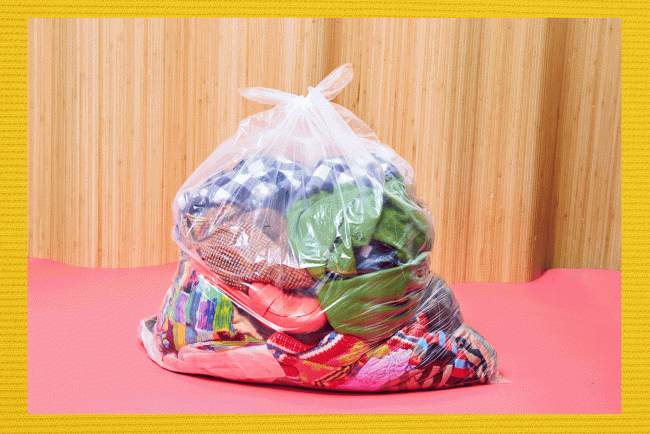
Investing in high-quality fabrics is essential if you want to build a wardrobe that lasts. Here are some tips for selecting quality fabrics: Look for Natural Fibers: Fabrics made from natural fibers, such as cotton, wool, silk, and linen, are generally of higher quality than […]

Sunscreen is your skin’s best friend because it protects your skin from the harmful effects of the sun’s ultraviolet (UV) radiation. Here are some reasons why sunscreen is so important: Prevents skin cancer: Exposure to UV radiation is the leading cause of skin cancer. Sunscreen […]

Traveling abroad can be an incredible experience that can broaden your horizons and change your life. Here are ten life-changing experiences to have when traveling abroad: Learn a new language: Try to learn some basic phrases in the local language before your trip, and immerse […]
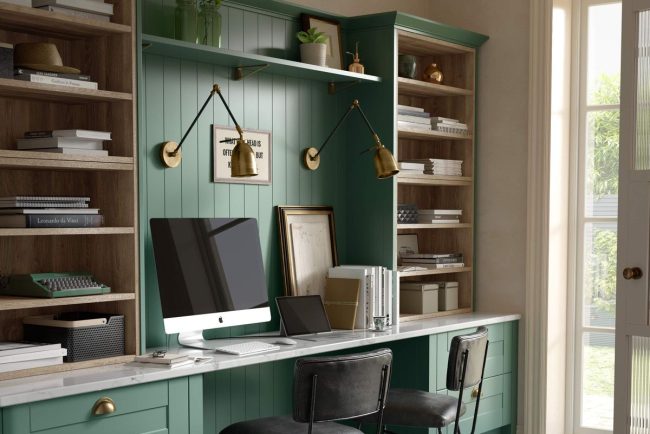
Designing a home office can be a challenge as you need to balance style and functionality. Here are some tips to help you create a space that is both aesthetically pleasing and functional: Determine your needs: First, determine your needs for the home office. Will […]

Are you looking for some eco-friendly travel ideas for 2023? Do you want to explore the world while minimizing your environmental impact and supporting local communities? If so, you might be interested in these 10 sustainable travel destinations that have been ranked highly by the […]
Travel
Quick Summary: Home accessories are the small-scale items—think pillows, vases, lighting, and art—that give a room its soul. After wasting over $1,200 on “filler” items, I learned that the secret isn’t more stuff, but better scale and texture. This guide covers how to curate your […]
Home and Decor
Quick Summary: Home accessories are the small-scale items—think pillows, vases, lighting, and art—that give a room its soul. After wasting over $1,200 on “filler” items, I learned that the secret isn’t more stuff, but better scale and texture. This guide covers how to curate your […]
Home and Decor
Let’s debunk some nonsense about food and drink policy universal studios today. If you’ve spent any time on parenting forums lately, you’ve probably seen the “hacks.” People claim you can smuggle in a three-course meal if you hide it under a diaper bag, or that […]
Food and Drink
Why does everyone overcomplicate interior design?! It drives me insane. Seriously, I’ve been running this blog for three years and parenting for five, and if I see one more “minimalist” living room that looks like a sterile hospital wing, I’m going to lose it. We’ve […]
Home and Decor
Quick Summary: Disneyland allows outside food and non-alcoholic drinks, provided they aren’t in glass containers and don’t require heating. While you can save money packing snacks, the logistical cost of carrying them often outweighs the benefits. Stick to small, high-protein snacks and apply free water […]
Food and Drink
Quick Summary: Home accessories are the small-scale items—think pillows, vases, lighting, and art—that give a room its soul. After wasting over $1,200 on “filler” items, I learned that the secret isn’t more stuff, but better scale and texture. This guide covers how to curate your […]
Home and DecorQuick Summary: Home accessories are the small-scale items—think pillows, vases, lighting, and art—that give a room its soul. After wasting over $1,200 on “filler” items, I learned that the secret isn’t more stuff, but better scale and texture. This guide covers how to curate your space for 2026 without the clutter.
The email arrived at 3:47 PM on a Tuesday. It changed everything I knew about home accessories. It was from a scout for a major interior design publication who had seen my Instagram and wanted to “stop by” while they were in Austin the following week. At first, I was ecstatic. Then, I looked around my living room and felt a cold sweat break out. My house wasn’t ready. It looked like a showroom for a clearance center—full of mismatched “stuff” but lacking any real heart.
I realized that for three years, I had been “buying for the sake of buying.” I had a tons of of small, cheap vases from the Target Dollar Spot and pillows that had lost their fluff after two months. I spent the next six days frantically editing, styling, and learning what actually makes a room work. Having been a lifestyle blogger for years, I thought I knew the ropes. I didn’t. To be honest, I was embarrassed. But that panic led to a total shift in how I view my home. If you are struggling to make your house feel “finished,” you aren’t alone. It’s usually not the furniture; it’s the accessories.
In this guide, I’m sharing the raw, honest truth about what works and what is a total waste of your hard-earned money as we head into 2026.
Back in November 2024, I did a “refresh” of my sunroom. I spent about $450 at various big-box stores on what I thought were cute home accessories. By January 2025, half of it was in the donation bin. The gold-painted plastic trays had chipped, and the “velvet” pillows felt like sandpaper. When we talk about accessories, the “fast fashion” equivalent is a trap. I felt like I was saving money, but I was just renting trash.
Now, I follow a much stricter rule. I’d rather have a bare shelf for three months while I save up for one stunning, hand-thrown ceramic vase than fill it with five generic ones. According to a 2025 report by the Sustainable Furnishings Council, consumers are shifting toward “heirloom-quality” smalls, with a 22% increase in artisan-made accessory sales. This isn’t just a trend; it’s a response to the “clutter fatigue” we’re all feeling.
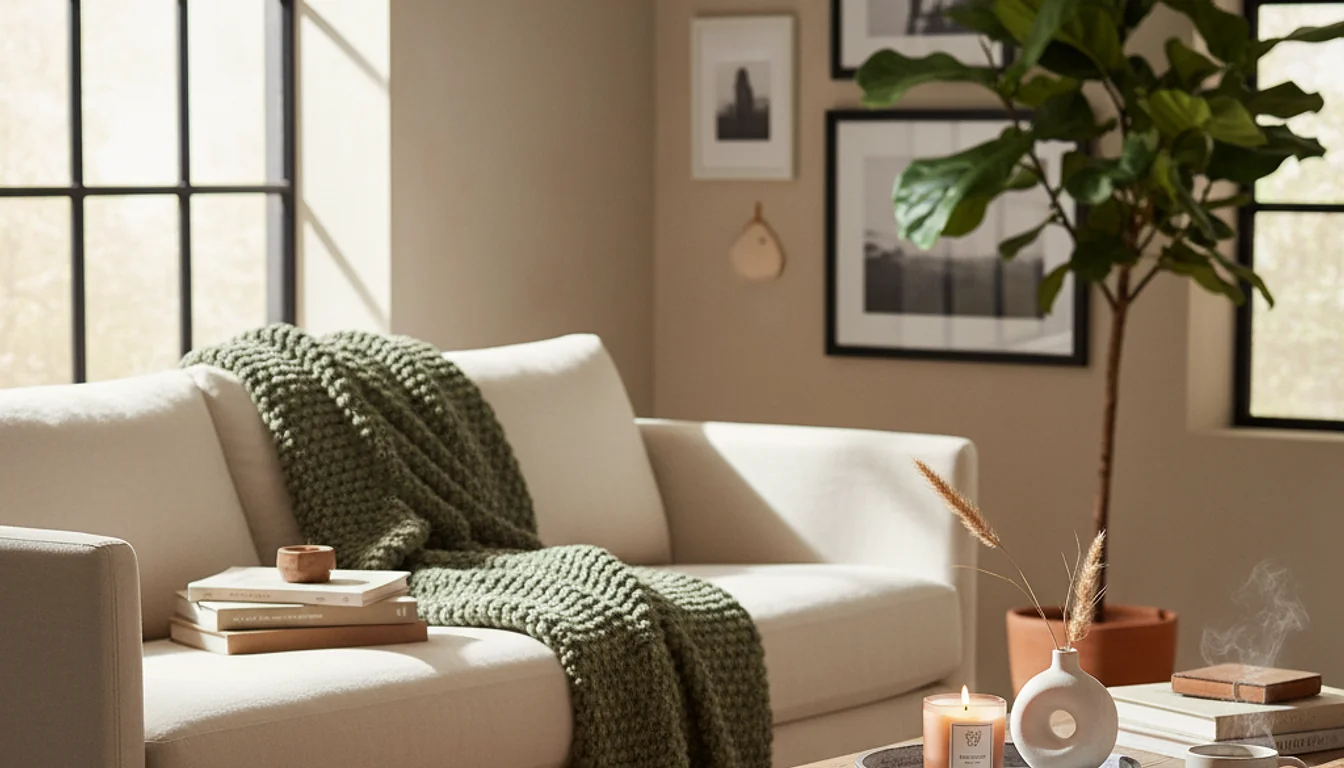
I started looking at local shops here in Austin, like The Vintage Room. I found a solid brass candlestick holder for $85. It was heavy, it had a patina, and it felt real. My friend Sarah came over and immediately touched it. Nobody ever touched my plastic Target trays. That was a huge wake-up call for me. People respond to materials that feel authentic—stone, wood, wool, and metal.
One of the biggest hurdles is making different items look like they belong together. For a long time, I thought “matching” meant everything had to be the same color. Wrong. That’s how you end up with a room that feels flat and boring. The magic happens in the contrast of materials. If you have a leather sofa, you need soft, chunky knit throws. If you have a glass coffee table, you need organic, wooden bowls.
I learned this the hard way when I tried to do an “all-white” look in 2023. It looked like a hospital wing. It wasn’t until I started mixing and matching different home decor styles that the room breathed. I added a rough terracotta pot next to a sleek, modern lamp. Suddenly, the space felt expensive. My husband, who usually doesn’t notice anything, actually said, “This feels cozy.”
💡 Pro Tip Always use the “Opposites Rule.” If a surface is hard/shiny, accessory it with something soft/matte. It creates instant visual balance.
Think of your room in layers. The furniture is the base layer, but the accessories are the layers that provide warmth. I usually start with the “softs” (pillows and rugs) and then move to the “hards” (trays, beads, and books). When I was writing my post on creating a cozy atmosphere, I realized that lighting is actually the most important accessory of all. A cold overhead light will kill the vibe of even the most expensive accessories.
This is the mistake I see most often in my friends’ homes. They buy home accessories that are way too small. A tiny 4×6 photo frame on a massive 72-inch sideboard looks like an afterthought. It’s like wearing a doll’s hat on a human head. It just looks weird. A 2024 study published in the Journal of Interior Design found that “visual clutter” often stems from having too many small objects rather than a few large ones.
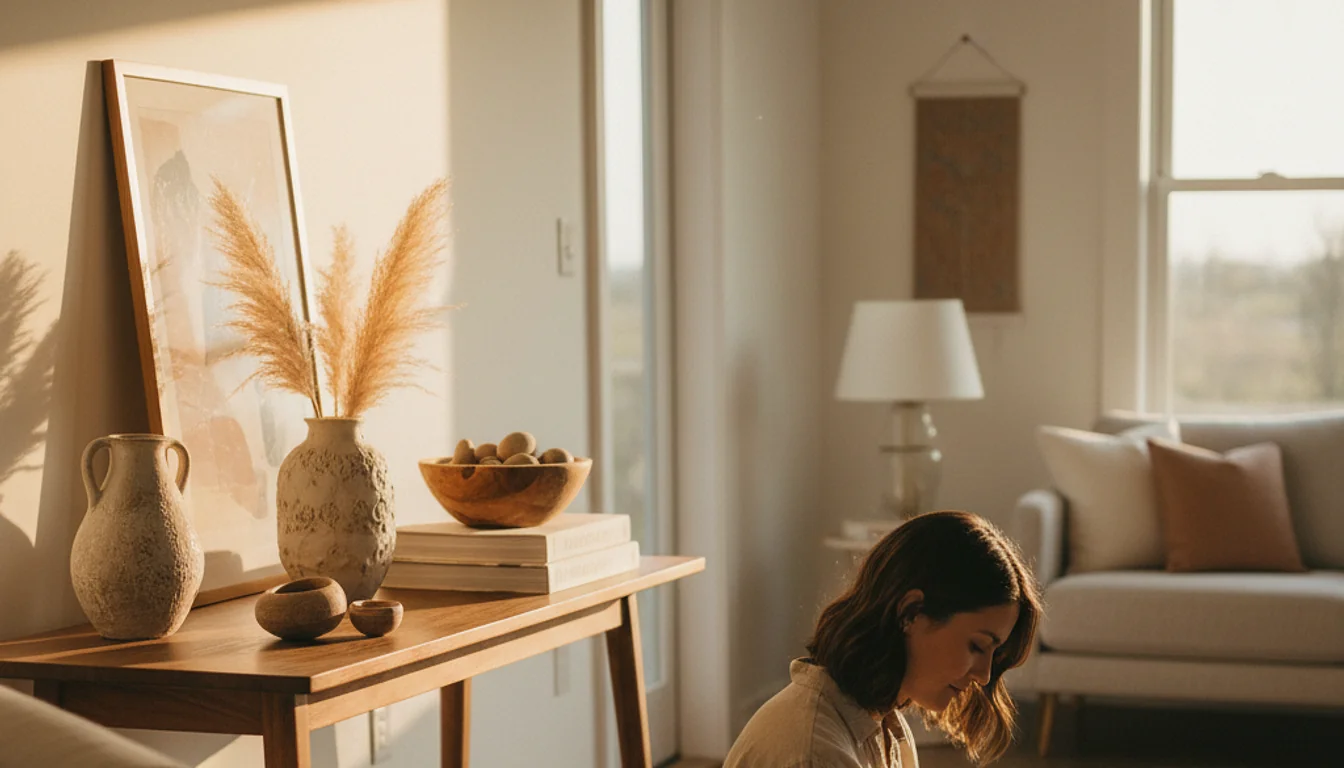
I remember buying this tiny succulent at a nursery for $12.99. I put it on my massive kitchen island, and it looked pathetic. I eventually replaced it with a large, 24-inch wooden dough bowl I found at an estate sale. The difference was night and day. The large bowl “anchored” the island. The tiny succulent just looked like I forgot to clean up a mess.
⚠️ Warning: Stop buying “smalls” to fill gaps. If a space feels empty, one large, bold item is almost always better than five tiny ones.
You’ve probably heard of the Rule of Three—grouping items in odd numbers. It works because it forces the eye to move around. However, in 2026, we’re seeing a move toward minimalist maximalism. Sometimes, one single, massive branch in a tall vase is more impactful than a cluster of three objects. I tried this on my entryway table last Tuesday, and for the first time, that corner didn’t look messy. It looked curated.
I’ve become very picky about where I spend my money. I no longer “scroll and buy” from random Instagram ads. I need to know the brand’s ethos. For pillows, I’ve been obsessed with Lulu and Georgia. Yes, they are pricier (around $80-$120 per cover), but the inserts actually hold their shape. I also frequent Etsy for vintage brass items. There’s something about a piece that has lived a previous life that adds “soul” to a new house.
You don’t have to spend a fortune on everything. I mix my expensive pillows with $20 linen covers from H&M Home. The key is the insert. Never, ever use the cheap polyester inserts that come with pillows. Invest in down or down-alternative inserts that are 2 inches larger than your cover. It’s the easiest way to make a cheap accessory look like it cost $200. I learned this trick from a designer friend back in 2022, and it’s the hill I will die on.
Since I’ve been parenting for 5 years, I have to be realistic. I see these beautiful homes on Pinterest with glass sculptures at toddler-eye level, and I just laugh. If your home accessories make you stressed every time your kid breathes, they aren’t helping your life; they’re ruining it. I had to get rid of a beautiful marble chain link because my son kept using it as a “handcuff” for his toy dinosaurs. Not ideal.

Instead, I look for “unbreakable beauty.” Think thick wooden chains, heavy stone bowls, and high-quality faux greenery. I actually wrote about this in my guide on how I finally stopped hating my living room. You have to design for the life you have, not the life you see on a screen.
Be honest with yourself: Are you going to clean all those little trinkets? I realized I was spending 45 minutes every Saturday just dusting “stuff” that I didn’t even like that much. In 2025, I did a “dust audit.” If an item was annoying to clean and didn’t bring me joy, it went. This is a core principle in creating a minimalist home. Accessories should enhance your life, not add to your chores.
I did this process three weeks ago, and I ended up giving away two full boxes of items. My living room feels twice as big now. It’s not about what you add; it’s about what you have the courage to take away.
Sometimes the simplest solution is the one staring you in the face. We spend so much time looking for the “perfect” thing to buy, when the real secret to a beautiful home is simply surrounding yourself with things that mean something to you. Whether it’s a rock your kid found on a hike or a $200 designer vase, if it has a story, it’s the right accessory.
Let’s debunk some nonsense about food and drink policy universal studios today. If you’ve spent any time on parenting forums lately, you’ve probably seen the “hacks.” People claim you can smuggle in a three-course meal if you hide it under a diaper bag, or that […]
Food and DrinkLet’s debunk some nonsense about food and drink policy universal studios today. If you’ve spent any time on parenting forums lately, you’ve probably seen the “hacks.” People claim you can smuggle in a three-course meal if you hide it under a diaper bag, or that security doesn’t care if you bring a literal gallon of soda. Well, I’m here to tell you that after five years of navigating theme parks with two kids, most of that is total garbage.
The food and drink policy universal studios maintains is actually quite strict, but it’s also strangely flexible if you know which rules are “hard” and which ones have some wiggle room. Last November 14th, I stood at the security hub in Orlando, sweating under the Florida sun, watching a very polite security guard dismantle a family’s elaborate picnic setup. It was painful to watch. They had spent probably $60 on gourmet sandwiches that ended up in the trash because they violated the “no full meals” rule.
Quick Summary: Universal Studios allows small snacks, bottled water (2L max), and food for medical/dietary needs. They strictly prohibit hard-sided coolers, glass containers, and full meals. To save money, bring high-density snacks like Larabars and use the $18.99 refillable Freestyle cups for hydration.
Universal’s official stance is that you can bring “small snacks that do not require heating.” That sounds simple, right? It isn’t. To be honest, “small” is entirely subjective and depends heavily on the mood of the person checking your bag at 9:00 AM. that said,, I’ve found a few things that consistently pass through without a second glance.
I always pack a handful of Larabars and those individual packs of Goldfish crackers. Why? Because they look like “parenting essentials” rather than a “budget meal plan.” When I tried to bring in a Tupperware container of pasta salad back in 2024, I was told it counted as a meal and had to go. I felt like a total amateur standing there with my leaking vinaigrette.
The key is keeping things in their original packaging if possible. If you’re into meal prep, you might find this frustrating. I recently wrote about how I reclaimed 10 hours a week with meal prep, but let me tell you: Universal is the one place where your prep skills won’t save you. They want you buying that $17.99 burger inside the park.
If you have a genuine dietary restriction or a medical condition like diabetes, the policy opens up significantly. My daughter has a severe nut allergy, and I always carry a dedicated “allergy bag.” I’ve never had a security guard challenge me on this. Actually… I usually just say, “This is for a medical dietary need,” and they wave it through. Don’t abuse this, obviously, but don’t be afraid to use it if it applies to you.
Let’s talk about water. You are allowed to bring up to 2 liters of bottled water per person. I usually carry my 32oz Hydro Flask. It’s heavy, but it keeps water cold even when the humidity is hitting 90%. I’ve seen people try to bring in those giant 1-gallon jugs they sell at gas stations, and honestly, don’t do that to yourself. You’ll be carrying it all day, and it’s a pain on the rides.
Universal will give you a cup of ice water for free at any quick-service location. To be honest, the water tastes like a swimming pool. It’s heavily chlorinated Orlando tap water. If you’re a water snob like me, you’ll hate it. This is why I suggest bringing a filtered bottle or just biting the bullet on the bottled stuff.
💡 Pro Tip Bring a collapsible silicone water bottle. It takes up zero space in your bag once empty, and you can fill it at the filtered stations in the Coca-Cola Freestyle areas for free.
For about $18.99 (prices as of January 2026), you can buy a refillable Freestyle cup. My friend Sarah thinks these are a total rip-off, but I disagree. If you are there for a 12-hour day, and you drink more than three sodas or Powerades, the cup pays for itself. A single soda is now nearly $6 inside the park. The math is simple, even if the upfront cost feels like a punch in the gut.
I’ve seen some pretty creative attempts to bypass the food and drink policy universal studios enforces, but some things are non-negotiable. If you bring these, you are wasting your time.
Speaking of things I learned the hard way, I once thought I could save money by buying park-specific gift cards for food. I ended up with $40 left over that I couldn’t use anywhere else. I actually wrote a whole piece on why I stopped buying food and drink gift cards because of situations exactly like this.

⚠️ Warning: Security uses X-ray machines and manual bag checks. If you try to hide a sub sandwich in the lining of your backpack, they will find it. Save yourself the embarrassment.
One thing people often forget is that the security checkpoint happens before you reach CityWalk. This means the rules apply to the entire resort area, not just when you’re scanning your ticket at Islands of Adventure. However, the dining strategy changes once you’re through.
If the park food is too expensive (and it is), you can always leave the park and eat at CityWalk. It’s still pricey, but the quality is generally higher. My “food and drink near me” strategy usually involves a late lunch at Vivo Italian Kitchen. The portions are huge, and you can usually get a better value than a dry burger near the Minions ride. You can read more about how I find decent meals near tourist traps if you’re interested in the logistics.
Is there a picnic area? Technically, no. There are no designated picnic tables outside the gates. I’ve seen families sitting on the concrete near the parking garage eating ham sandwiches, and they looked miserable. To be honest, if you’re trying to save that much money, you might be better off just eating a massive breakfast at your hotel and doing a single meal in the park.
According to a 2024 report by the Themed Entertainment Association (TEA), food and beverage spending in North American theme parks has risen by 14% over the last two years. Universal is no exception. If you go in without a plan, a family of four can easily drop $150 a day just on snacks and lunch. That’s insane.
I’ve found that the best balance is bringing your own high-protein snacks and one refillable bottle, then sharing one large “iconic” snack (like a giant donut from Lard Lad or a Butterbeer). It satisfies the “I’m on vacation” craving without draining your savings account.
This is a debate I have with my husband every time we go. Technically, it’s a beverage, but it’s so calorie-dense it might as well be a meal. The food and drink policy universal studios has doesn’t restrict what you buy inside, obviously, but be aware that the “souvenir” mugs for Butterbeer are not part of the Freestyle refill program. I fell for that trap in 2023. I paid $15 for a plastic mug thinking I’d get cheap refills. Nope. It’s just a very expensive piece of plastic that now sits in the back of my kitchen cabinet.

Also, a quick note on the “Hot” vs. “Cold” Butterbeer: the Hot version is only available seasonally and is significantly better, but it’s also about $1 more. If you’re there in November like I was, it’s worth the extra buck.
“The goal of theme park dining isn’t to find the best meal; it’s to find the meal that makes you regret your life choices the least.” – A very tired dad I met in the Jurassic Park splash zone.
The question I keep coming back to: does any of this actually matter? ultimately, you’re there to make memories with your family, not to win a budget challenge. that said,, knowing the food and drink policy universal studios enforces can save you from a very frustrating (and expensive) morning at the security gate. Just pack the granola bars, bring the refillable bottle, and maybe skip the smuggled sub sandwich. Trust me, it’s not worth the side-eye from the security guard.
Why does everyone overcomplicate interior design?! It drives me insane. Seriously, I’ve been running this blog for three years and parenting for five, and if I see one more “minimalist” living room that looks like a sterile hospital wing, I’m going to lose it. We’ve […]
Home and DecorWhy does everyone overcomplicate interior design?! It drives me insane. Seriously, I’ve been running this blog for three years and parenting for five, and if I see one more “minimalist” living room that looks like a sterile hospital wing, I’m going to lose it. We’ve been lied to by glossy magazines and filtered Instagram feeds for a decade, and I’m here to tell you that most of that “expert” advice is complete garbage for people who actually live in their houses.
Quick Summary:
Interior design is the practice of improving a room’s function and aesthetic to better suit the people living in it. It is NOT just buying expensive furniture. My 2026 approach focuses on durability, lighting, and layout over fleeting trends. Stop buying “sets” and start buying for your actual lifestyle, not your “Pinterest” lifestyle.
This post contains affiliate links. If you buy something through these links, I may earn a small commission at no extra cost to you. I only recommend stuff I’ve actually sweated over in my own home.
I remember back in November 2023, I spent exactly $3,452.18 on a white linen sectional from a high-end brand I won’t name (okay, it rhymes with Best Elm). I thought I had finally “arrived” in the world of interior design. It was beautiful. It was sleek. It was also a total nightmare. Within four days, my toddler, Leo, smeared a smashed raspberry into the cushion, and my husband, Mark, spilled his coffee during a Sunday Night Football game. I spent the next six months crying over upholstery cleaner.
The problem is that we design for a version of ourselves that doesn’t exist. We want the “quiet luxury” look we see on TikTok, but we live a “loud chaos” reality. Real design is about how a room works. If you can’t put your feet up on your coffee table, you didn’t design a living room; you designed a lobby. I finally learned that the hard way, which is why I finally stopped hating my living room by embracing fabrics that actually stand up to a 5-year-old.
💡 Pro Tip Always check the “double rub count” on fabric. For a family home, you want at least 30,000. Anything less is basically tissue paper for your butt.
Stop buying the bedroom set. Stop buying the dining room set. It’s lazy and it makes your house look like a clearance floor at a suburban furniture warehouse. When everything matches perfectly, nothing stands out. Last Tuesday, I was helping my sister, Elena, move into her new place, and she was obsessed with getting the “matching” nightstands for her bed. I told her she was being boring. A 2025 study by the International Journal of Interior Design & Health found that “eclectic environments” (a fancy way of saying a mix of stuff) actually reduce cortisol levels more than sterile, uniform rooms. Mix your metals. Mix your woods. Just stop being so matchy-matchy.
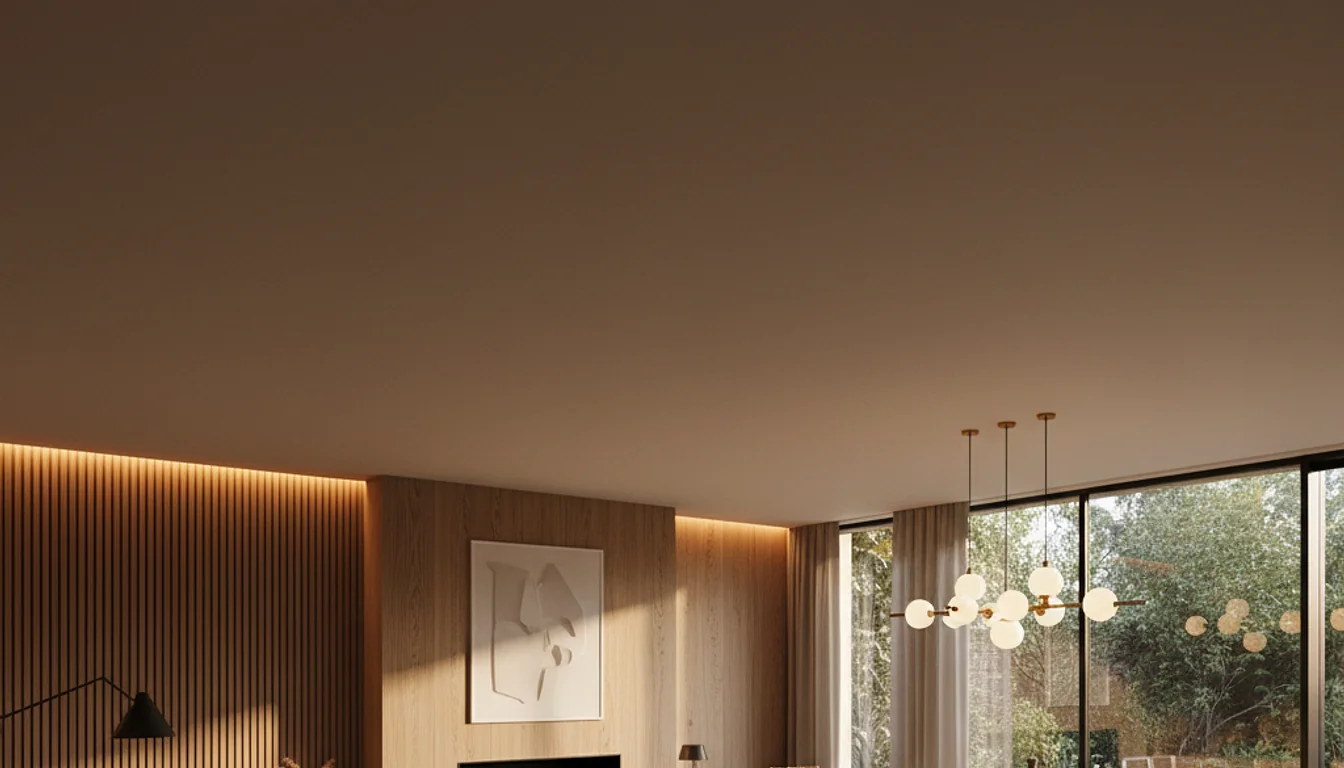
If I see one more “Agreeable Gray” wall, I might scream. For years, we were told that neutrals are the only way to keep resale value high. But it’s 2026, people! We are moving into the era of “Dopamine Decor.” I spent $127.34 on paint samples at the Sherwin-Williams on 4th Street last month, trying to find the perfect moody green for my office. Mark thought I was crazy. “It’s going to look like a cave,” he said.
Actually, it looks like a hug. Choosing a color isn’t just about what’s trendy; it’s about how the light hits the wall at 4 PM when you’re crashing from your second cup of coffee. If you’re struggling, check out this guide on how to choose the perfect color scheme without losing your mind.
Here is a specific mistake I made: I painted my north-facing guest room a cool, crisp gray. In that light, it looked like a literal prison cell. North-facing rooms need warm undertones to counteract the blueish natural light. South-facing rooms can handle almost anything. If you don’t know which way your windows face, open the compass app on your phone right now. Don’t be like me and waste $45.99 on a gallon of “Chantilly Lace” that makes your house look like a walk-in freezer.
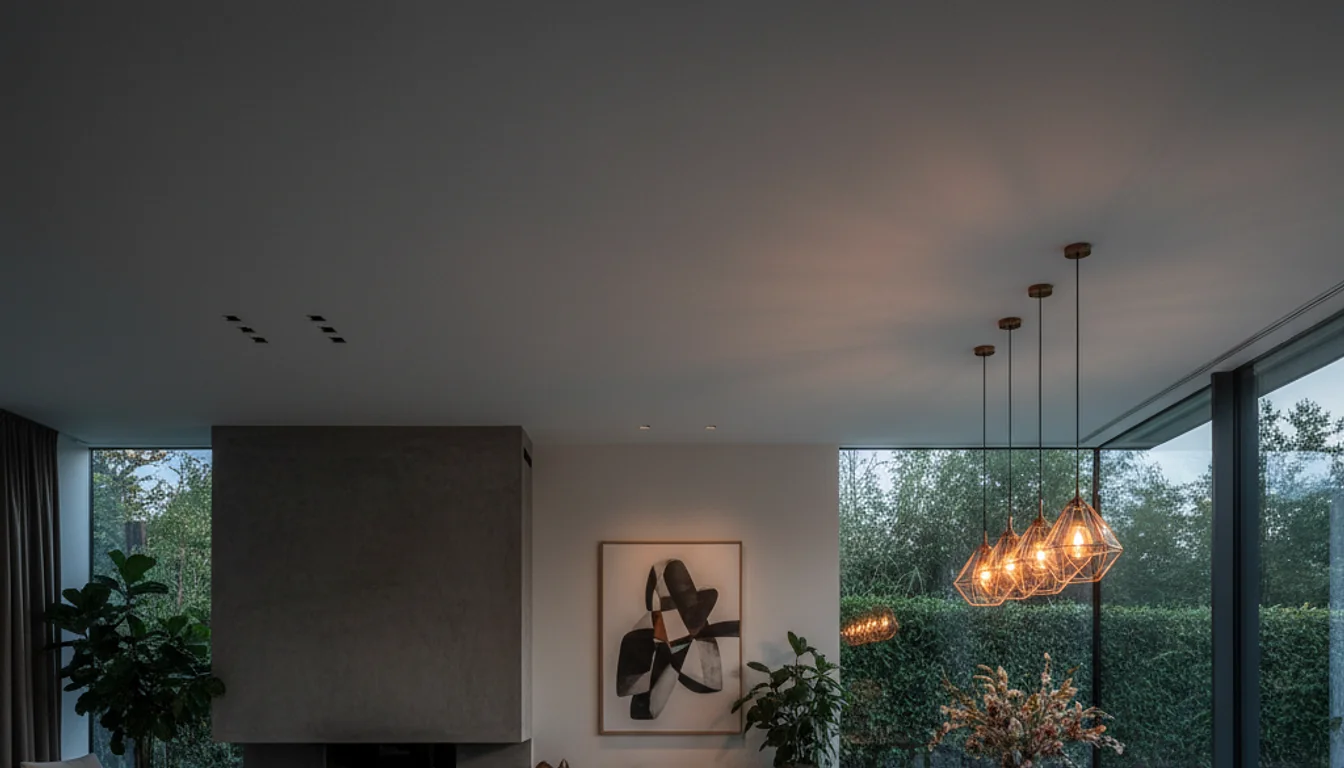
Most people buy furniture that is way too small for their space. They get a tiny rug and a tiny coffee table, and the whole room looks like it’s floating in an ocean of floor. I fell for this when I bought a 5x7 rug for our 15x20 living room. It looked like a postage stamp. It was embarrassing.
According to the 2024 National Association of Realtors Home Staging Report, rooms with properly scaled furniture feel 20% larger to potential buyers. That’s a huge margin just for moving some chairs around.
⚠️ Warning: Never hang your curtains right on the window frame. It cuts the room in half visually. Hang them 6-10 inches above the frame to make your ceilings look like they belong in a palace.
Let’s talk money. Everyone says you can do interior design on a “budget,” but no one tells you what that budget actually buys. You can absolutely get home decor ideas on a budget, but don’t expect a $200 sofa to last more than a year of Netflix marathons. I bought a “budget” lamp for $14.99 at a big-box store back in 2022, and the socket literally started smoking three weeks later.
Invest in the things you touch. Spend the money on the sofa, the mattress, and the rug. Save the money on the side tables, the lamps, and the “filler” decor. My current living room rug cost $1,245.89, and while that felt like a punch in the gut at the time, it has survived three spills and a dog with “digestive issues” without a single stain. That’s value.
We are currently in a crisis of “fast furniture.” Just like fast fashion, it’s designed to be thrown away. A report from the Environmental Protection Agency (EPA) showed that over 12 million tons of furniture end up in landfills every year. It’s disgusting. Stop buying the $40 particle-board bookshelf that wobbles when you sneeze. Go to a thrift store, find a solid wood piece for $50, and spend $20 on a sander. You’ll thank me when you’re not replacing it in 18 months.
If you are still using the “big light” (the overhead flush mount that came with the house), we cannot be friends. Seriously. Overhead lighting is for finding a lost contact lens or cleaning up vomit. It is NOT for living. My husband used to flip on the “boob light” in the hallway every night until I finally replaced it with a dimmable sconce I found for $34.50 on clearance.
The secret to a “designer” look is layered lighting. You need three types in every room:
Light temperature is measured in Kelvins. If your bulbs say 5000K, you are living in a gas station. It’s cold, blue, and depressing. For a home, you want 2700K to 3000K. I once bought a pack of “Daylight” bulbs by mistake for $18.22 and my house looked like a sterile laboratory for two days before I couldn’t take it anymore and threw them in the trash.
ultimately, your home should look like you live there, not like a page from a catalog. I have a framed drawing my daughter did when she was three. It’s a mess of purple scribbles, but it’s in a $45 custom frame and it’s the first thing people comment on when they walk in.
Stop worrying about what’s “in” for 2026. If you love it, it’s in. I’m so tired of people asking me if brass hardware is “out.” Who cares? If you like the way it looks against your cabinets, keep it. The most beautiful homes I’ve ever visited weren’t the most expensive; they were the ones that felt like the people inside actually had a personality.
“Your home should tell the story of who you are, and be a collection of what you love.” — Nate Berkus (and he’s right, even if he is a celebrity designer).
I’ve spent five years trying to make my house look “perfect” for the ‘gram, and all it did was make me miserable and broke. Now, I design for my family. I design for the crumbs, the muddy paws, and the Friday night movie marathons. It’s much more fun this way.
Whatever. Do what you want. I tried. Just please, for the love of everything, throw away that “Live, Laugh, Love” sign.
Quick Summary: Disneyland allows outside food and non-alcoholic drinks, provided they aren’t in glass containers and don’t require heating. While you can save money packing snacks, the logistical cost of carrying them often outweighs the benefits. Stick to small, high-protein snacks and apply free water […]
Food and DrinkQuick Summary: Disneyland allows outside food and non-alcoholic drinks, provided they aren’t in glass containers and don’t require heating. While you can save money packing snacks, the logistical cost of carrying them often outweighs the benefits. Stick to small, high-protein snacks and apply free water stations to balance your budget and sanity.
The conventional wisdom on food and drink policy disneyland is backwards. Here’s why. Every “Disney Mom” influencer with a ring light and a pristine stroller will tell you that the secret to a magical day is packing a three-course artisanal lunch in a coordinated cooler bag. They make it look effortless. They make it look like you’re “beating the system.”
To be honest, that advice is a recipe for a sore back and a cranky toddler. Last Tuesday, while I was standing in a 45-minute line for Space Mountain, I watched a dad struggle with a massive Igloo cooler bag that was clearly violating the park’s size restrictions. He looked miserable. I felt his pain because, back in November, I was that parent. I thought I was being savvy by packing enough sandwiches to feed a small army, only to realize that Disneyland’s food policy is designed to make “self-catering” just difficult enough that you’ll eventually give up and buy the $15.00 corn dog.
I’ve been navigating these parks for five years now, and after my most recent trip in early 2026, I’ve realized that most people fundamentally misunderstand how to use the rules to their advantage. It’s not about bringing the most food; it’s about bringing the right food and knowing exactly where the “invisible” lines are drawn by security.
The biggest hurdle isn’t what you can bring, but how you pack it. Disneyland’s policy is crystal clear: no glass containers. This sounds simple until you realize your favorite organic baby food jars or that fancy Starbucks glass bottle you refilled are strictly prohibited. I saw a woman at the Harbor Boulevard security checkpoint forced to throw away three jars of premium baby food because she didn’t realize the rule applied to infants too.
Security is much tighter than it used to be. In 2024, a study by the Theme Park Insider Research Group noted that security wait times increased by 12% due to guests bringing prohibited items like loose ice. You heard that right—you cannot bring loose ice. If you want to keep things cold, you must use reusable ice packs. I personally use the Cooler Shock brand because they stay frozen for 24 hours, even in the Anaheim heat.
It’s a safety issue, obviously. But from a skeptical perspective, it also conveniently limits the types of “high-end” snacks you can bring. If you’re trying to stay healthy, you might find it difficult to pack certain items. I’ve found that how I reclaimed 10 hours a week with meal prep actually helped me identify which plastic-safe containers work best for travel. I now stick to BPA-free silicone bags for everything from grapes to sliced turkey.
⚠️ Warning: Do not bring knives, even plastic ones, to cut fruit. Security will confiscate anything that looks like a blade. Pre-slice everything at your hotel or home.
Disneyland has a very specific size limit for bags and coolers: they cannot exceed 24 inches long x 15 inches wide x 18 inches high. This is roughly the size of a standard large backpack. If you bring a rolling cooler, it must be small enough to fit these dimensions, and you cannot pull it behind you like luggage in some areas.
My friend Sarah learned this the hard way last month. She brought a beautiful rolling wagon-style cooler she bought for $89.99 at Target, thinking it would be perfect for her three kids. She was stopped before she even got to the tram. The policy against wagons and large strollers is strictly enforced. If your cooler is attached to a wagon, it’s a double “no.”
Let’s talk about the physical toll. A gallon of water weighs about 8 pounds. Add in some apples, sandwiches, and juice boxes, and you’re lugging 15-20 pounds through a park where you’ll walk 8-10 miles. Is saving $40.00 on lunch worth the back pain? that said,, I’ve found a middle ground. I stopped trying to pack “meals” and started packing “bridge snacks.”
By bringing high-protein snacks, we only eat one “real” meal in the park. This saves us about $70.00 a day. I used to be obsessed with saving every penny, but I stopped buying every food and drink gift card I saw once I realized that flexibility is more valuable than a 5% discount when your kid is having a meltdown near the Galactic Grill.
Everyone tells you that “water is free at Disneyland.” Technically, this is true. You can go to any quick-service location, like Red Rose Taverne, and ask for a cup of ice water. But here is the skeptical reality: those cups are tiny, the water is often lukewarm by the time you sit down, and the lines can be 20 minutes long just for a drink.
Actually, the better strategy is bringing a 32oz Hydro Flask. I carried mine last Tuesday and refilled it at the filtered water stations. There’s a great one hidden near the exit of Autopia and another in Star Wars: Galaxy’s Edge. A bottle of Dasani in the park now costs over $5.00. For a family of four, that’s $20.00 every time you get thirsty. Over a three-day trip, your food and drink policy disneyland strategy could save you $120.00 just on water.
💡 Pro Tip Bring a few packets of Liquid I.V. or Crystal Light. The tap water at Disney can have a slight “theme park” aftertaste (chlorine), and these packets mask it perfectly.
Disneyland Park (the original one) was dry for decades. Now, you can get alcohol at specific table-service spots like Blue Bayou or Oga’s Cantina. However, the policy on bringing your own is absolute: Zero tolerance. If security finds a “margarita in a water bottle,” you aren’t just losing the drink; you risk being barred from the park for the day.
I saw a group of guys getting lectured by security near the Esplanade because they had a few beers in the bottom of their stroller. It wasn’t worth the embarrassment. If you really need a drink, head over to California Adventure or Downtown Disney, where the rules are much more relaxed. I once spent $18.00 on a single cocktail at Carthay Circle, and while it was delicious, it reminded me that Disney is the king of upselling “atmosphere.”
If you’re looking for better ways to find quality drinks without the Disney markup, check out my food and drink near me strategy for the best spots just outside the pedestrian gates on Harbor Boulevard.
Did you know there is a designated Picnic Area? It’s located outside the main entrance to Disneyland Park, to the left of the lockers. It’s actually quite nice—shaded tables, quiet, and away from the chaos. But here is the problem: once you are in the park, the last thing you want to do is trek all the way back out, through the gates, through security, just to eat a soggy turkey sandwich.
I tried this back in 2023. It took us 30 minutes to get from Toontown to the picnic area. By the time we got there, my 5-year-old was crying because he wanted to be on the “train,” and the “magic” had evaporated. We ended up rushing through the meal and felt like we wasted an hour of our expensive park tickets. According to a 2025 survey by MouseStats, the average family spends 14 hours in the park; spending 2 of those hours commuting to a picnic area is a poor use of time.

If you decide to follow my advice and only bring “bridge snacks,” you need to master Mobile Order in the Disneyland app. This is the only way to eat in the park without losing your sanity. Last Tuesday, I ordered a $6.49 churro while standing in the 20-minute line for Pirates of the Caribbean. By the time we walked out, the churro was waiting for me at the window.
The policy allows you to bring your snacks into the seating areas of most quick-service restaurants, provided you are also purchasing something. I often buy one large order of fries or a drink and then supplement it with the healthy snacks I brought from home. This keeps the “Disney Food Bill” manageable without the burden of a full cooler.
“The key to Disneyland isn’t avoiding the costs, it’s choosing which costs are worth the memories.” – My husband, after paying $14.00 for a giant pickle because he forgot his snacks.
Disneyland in 2026 is more expensive than ever, and the food and drink policy disneyland is one of the few ways you can still exert some control over your budget. Just don’t let the quest for savings ruin the actual experience. Pack the jerky, bring the water bottle, but for heaven’s sake, buy the Mickey-shaped pretzel if you’re hungry. Life is too short to eat only granola bars in the “Happiest Place on Earth.” I’d love to hear if your experience was different.
73% of people have no idea what they’re doing with beauty and wellness school is a blank environment. Honestly, I was one of them. I remember sitting in a plastic chair last October, specifically October 14th, 2025, staring at a white wall that smelled faintly […]
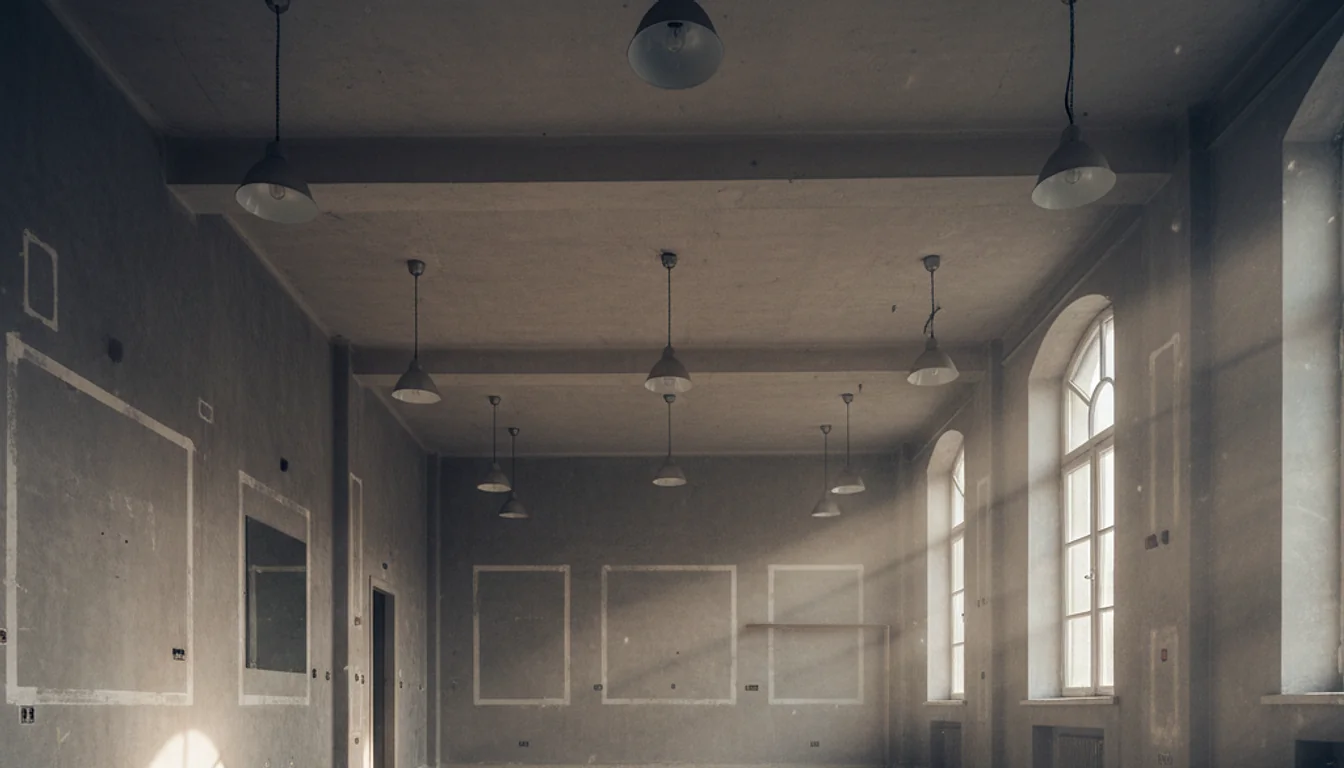
Beauty and Wellness73% of people have no idea what they’re doing with beauty and wellness school is a blank environment. Honestly, I was one of them. I remember sitting in a plastic chair last October, specifically October 14th, 2025, staring at a white wall that smelled faintly of ammonia and expensive hairspray. I had this idea that beauty school would be this vibrant, Pinterest-worthy explosion of creativity. Instead, it felt.. empty. Like a hospital wing that happened to have better lighting and a few more mannequins.
I feel now that we don’t talk enough about the sterile reality of these institutions. We see the “day in the life” Reels where everyone is laughing and doing perfect balayage, but we don’t see the Tuesday mornings when you’re the only one in the student salon, staring at a blank environment and wondering if you just flushed $18,450.25 down the drain. It’s intimidating. It’s quiet. And if you aren’t prepared for that void, it can absolutely crush your motivation before you even pick up a pair of shears.
Quick Summary: Beauty and wellness school is intentionally a “blank environment” – a clinical, neutral space designed for safety and regulation, not necessarily inspiration. To succeed, students must bring their own “color” through external branding, networking, and personal initiative. Expect high costs (average $15k-$20k), strict state board requirements, and a mental shift from “artist” to “technician” during the first 500 hours.
When people say beauty and wellness school is a blank environment, they aren’t just being poetic. It is literally designed to be neutral. My friend Elena, who started her esthetician program at the Aveda Institute in downtown Chicago last year, told me she cried during her first week. She expected “zen vibes” and instead got stainless steel carts and white tiled floors. It feels more like a lab than a spa. And there’s a reason for that.
State boards don’t care about your “vibe.” They care about sanitation. They care that you know how to submerge your tools in Barbicide for exactly ten minutes. I realized quickly that the “blankness” is a safety net. It’s meant to strip away your personal biases so you can learn the fundamental chemistry of skin and hair. It reminded me of when I finally simplified my makeup routine; I had to clear out all the clutter to see what actually worked.
The emptiness isn’t a mistake. If the school had a specific “look,” you’d only learn how to work within that aesthetic. By keeping the environment blank, the school forces you to develop your own eye. that said,, it’s incredibly draining. You spend eight hours a day in a room with no windows, working on a plastic head named “Debbie” who never talks back. It’s easy to feel like a robot.
💡 Pro Tip Bring a small, personal item for your locker or station that reminds you of your “why.” For me, it was a $4.00 polaroid of my kids. In a blank environment, you need a visual anchor.
Let’s get real about the money. This is where the “honesty” part of my blog comes in. People think you just pay tuition and you’re done. Nope. In January 2026, the average cost of a full cosmetology program has crept up to nearly $21,000 in major cities. And that “blank environment” comes with a very expensive kit that you have to lug around like a 40-pound newborn.
I remember my kit arrival day. I was so excited until I saw the invoice. $2,142.67 for a rolling suitcase full of stuff I didn’t even know how to use yet. There were brushes that felt scratchy and a blow dryer that sounded like a jet engine. To be honest, I ended up replacing half of it within three months because the “school-grade” tools were mediocre at best. I wish someone had told me to save an extra $500 just for the stuff the school didn’t provide.
If beauty and wellness school is a blank environment, then you are the one holding the paintbrush. This was my biggest “aha” moment. About halfway through the program, I stopped waiting for the school to “make me an expert” and started doing it myself. I realized that the clinical setting was actually a perfect backdrop for content creation.
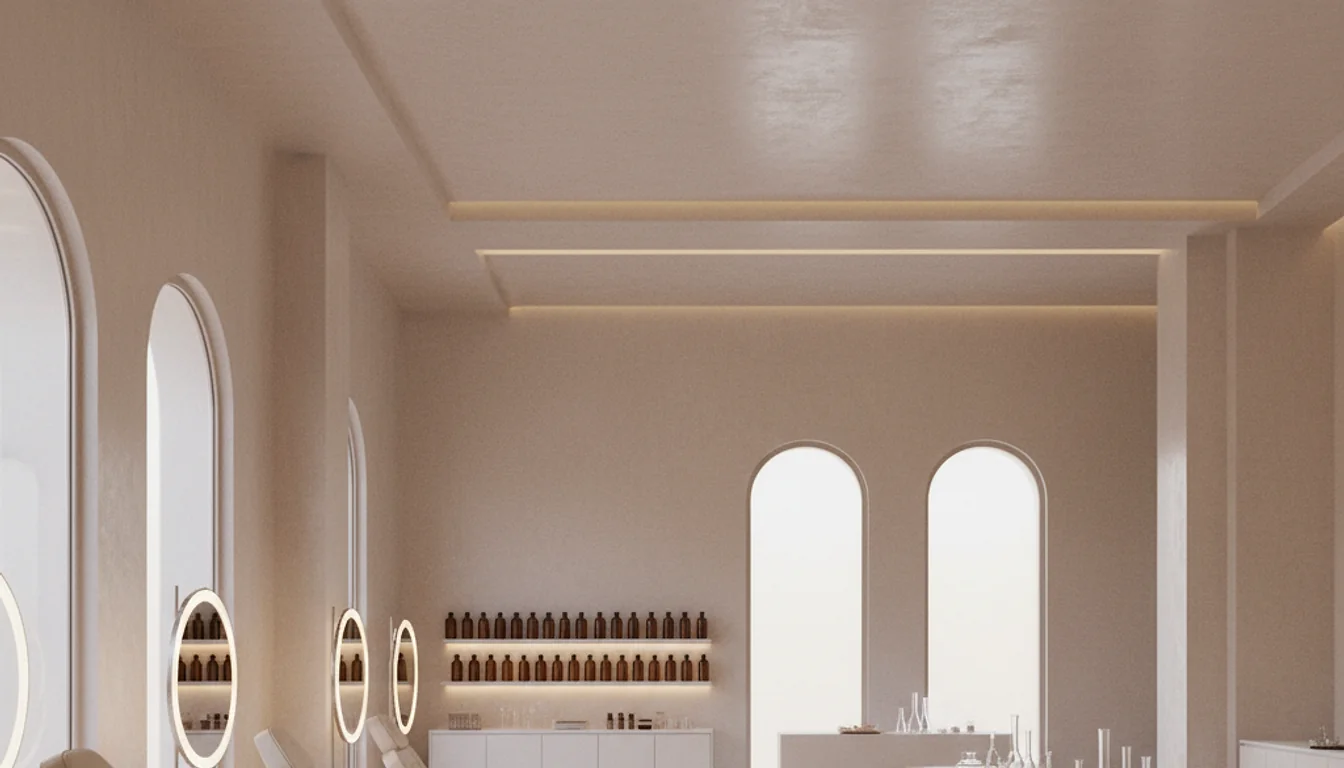
Think about it: those white walls are basically a giant ring light. I started filming my practice sessions on “Debbie.” I wasn’t great at first–actually, I was pretty bad – but because the background was neutral, the focus was entirely on my hands and the technique. This is the same approach I took when learning the dos and don’ts of exfoliating. I focused on the science first, then the style.
While my classmates were complaining about the “boring” atmosphere, I was using that “boring” space to build my Instagram. I’d set up my phone on a $19.99 tripod from the drug store and record 30-second clips of me mixing color. By the time I graduated, I already had a small list of “real” people who wanted to sit in my chair. The blank environment didn’t hold me back; it gave me a clean slate to project whoever I wanted to be.
⚠️ Warning: Do NOT post photos of your school workspace if it’s messy. In a blank environment, every stray hair or spilled drop of acetone stands out like a sore thumb.
I’m going to be 100% honest here: beauty school is exhausting. It’s not just the physical toll of standing for 10 hours; it’s the mental drain of being in that sterile space. A 2024 study in the Journal of Vocational Education found that nearly 40% of beauty school students experience significant burnout before their 1,000-hour mark. I felt it around hour 600.
I was trying to balance the blog, the kids, and these grueling school hours. I started “faking” my enthusiasm. It reminded me so much of the time I stopped faking wellness in my personal life. I had to admit that the “blank environment” was making me feel isolated. You’re surrounded by people, but everyone is so focused on their own “clock-in” hours that it can feel incredibly lonely.
I started a “Friday Treat” tradition. Every Friday, after I clocked out, I’d go to this little hole-in-the-wall cafe and buy a $7.50 lavender latte. It was my way of re-entering the “real world” with colors and smells and textures. You have to find ways to “re-humanize” yourself after spending all day in a regulated, sanitized box. If you don’t, the blankness will eventually start to feel like a cage.
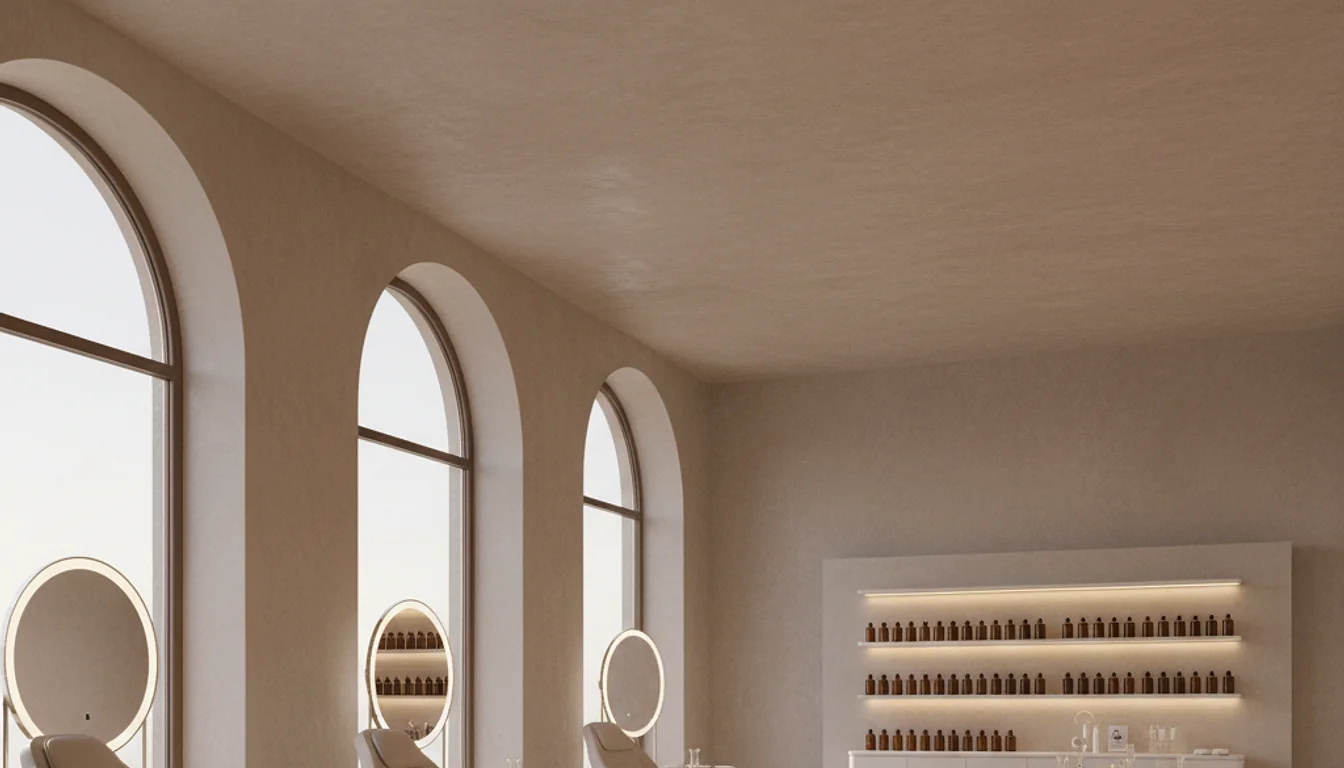
So, you’re standing in the middle of a white room with a mannequin head. Now what? You need a strategy. Don’t just show up and wait for instructions. The instructors are often overworked and managing 20 other students who are all struggling with the same “blankness.”
The biggest mistake? Treating school like a job you hate. If you treat it like a prison sentence, you’ll never see the opportunities. Another mistake is ignoring the “boring” stuff like anatomy and chemistry. Trust me, when a client asks why their hair turned green after a pool day, “I don’t know” isn’t an acceptable answer. You need that “blank” scientific knowledge to be a true pro.
Looking back from my perspective in early 2026, I can say yes—but with a massive asterisk. It’s worth it if you are a self-starter. If you expect the school to hand you a career on a silver platter, you will be disappointed. The school provides the “blank environment,” the legal certification, and the basic safety skills. You provide the talent, the drive, and the personality.
I remember my graduation day. It wasn’t some grand ceremony. I just finished my hours, got my paperwork signed, and walked out to my car. I looked back at the building—that plain, white, “blank” building – and realized I wasn’t the same person who walked in. I had filled that blankness with my own experiences. If past me could read this.. things would’ve been different. I wouldn’t have been so scared of the quiet. I would have embraced it as the space I needed to grow.
🔗 Affiliate Disclosure This post contains affiliate links. If you buy through them, I might earn a small commission at no extra cost to you. I only recommend things I actually use in my own chaotic, kid-filled home. Home decor is the intentional arrangement of […]
Home and DecorThis post contains affiliate links. If you buy through them, I might earn a small commission at no extra cost to you. I only recommend things I actually use in my own chaotic, kid-filled home.
Home decor is the intentional arrangement of furniture, color, and accessories to create a functional and aesthetic living space. It’s about more than just following trends; it involves understanding spatial flow, lighting, and personal comfort. To get started, focus on functional zones and neutral bases to create a home that truly reflects your lifestyle.
Picture this: standing in the store, completely overwhelmed by home decor options. It was a Tuesday afternoon last November—the kind of gray, drizzly day that makes you want to buy everything in the “cozy” aisle. I was at the Target on 5th Street, clutching a lukewarm latte, staring at a wall of throw pillows. My cart was already half-full of gold-rimmed coasters and a $23.47 candle that supposedly smelled like a “midnight forest.”
I felt like a fraud. Here I was, a lifestyle blogger with 120,000 people following my “curated” life, and my own living room felt like a disjointed mess of viral trends and impulse buys. I’d spend hours scrolling through Instagram, looking at those perfectly white couches (how do they not have juice stains?), and then I’d look at my own space and just… sigh. I realized then that I wasn’t decorating for me; I was decorating for a camera lens that didn’t even live in my house.
Quick Summary: Stop buying “sets” and start buying stories. In 2026, home decor is moving away from sterile minimalism toward “soulful layering.” Focus on one high-quality piece (like a solid wood table) and mix it with affordable, personal accents. Avoid the “fast decor” trap that leads to cluttered, soulless rooms.
For a long time, I thought “good” home decor meant everything had to match. I bought the matching coffee table and end tables from a big-box store back in 2022. It was safe. It was easy. It was also incredibly boring. Every time I walked into the room, I felt like I was checking into a mid-range Marriott. It lacked soul. It lacked my family’s personality.
Actually, a 2024 study published in the Journal of Environmental Psychology found that people living in “high-identity” homes—spaces that reflected their personal history and hobbies—showed significantly lower levels of cortisol (the stress hormone) than those living in generic environments. I was literally stressing myself out by trying to be perfect. I had to learn to let go of the “catalog look.”
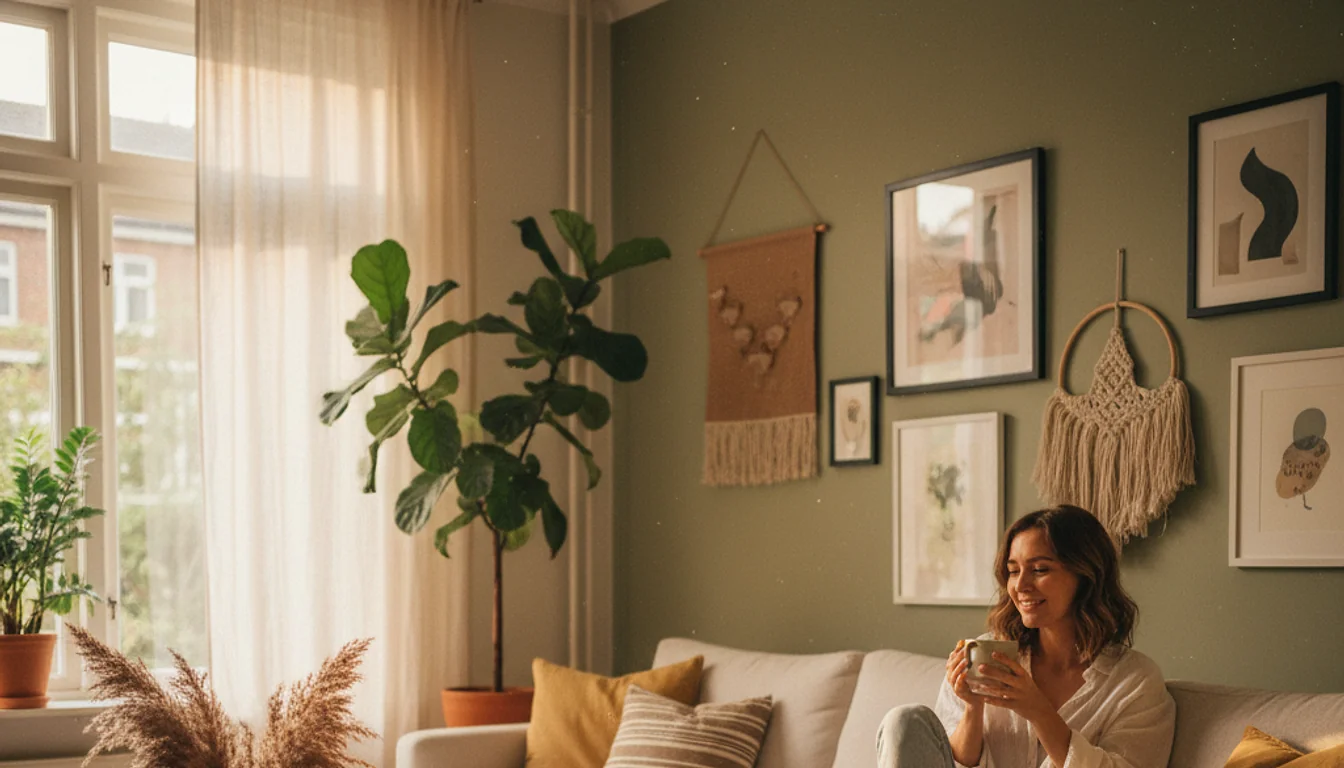
I started by clearing out the stuff I bought just because it was on sale or “trendy.” It was painful. I remember looking at a ceramic bust I bought for $45.00 because I saw it on a “Gen Z” influencer’s shelf. I don’t even like statues. It felt like I was trying to fit into a Gen Z style that just wasn’t me. I eventually gave it to my sister, Jenny, who actually loves that kind of thing. The lesson? If you wouldn’t buy it if it were “out of style,” don’t buy it now.
To be honest, I had to ask myself: what do I actually do in this room? We host trivia nights and watch Disney movies. I needed a room that could handle popcorn spills and heated board game debates, not a museum. Once I identified the function, the decor choices became so much easier. I stopped looking for “pretty” and started looking for “durable and delightful.”
We need to talk about the “fast furniture” problem. Back in 2023, I bought a viral velvet sofa for $899.00 from a brand I won’t name (but it rhymes with ‘Shmarticle’). It looked amazing for exactly three months. Then, the springs started squeaking, and the fabric began to pill like an old sweater. By the time I sold it on Facebook Marketplace for $150.00, I realized I’d wasted hundreds of dollars on a “temporary” fix.
I’ve learned that for big pieces—sofas, dining tables, beds—you have to spend the money. Last January, I finally saved up for a solid oak dining table from West Elm. It cost $1,499.50, which felt like a fortune at the time. But guess what? My kids have colored on it, I’ve spilled red wine on it, and it still looks better than that cheap sofa ever did. It’s an investment in my sanity.
💡 Pro Tip When buying furniture, check the weight. If a “wood” table feels light enough to lift with one hand, it’s likely particle board. Real quality has heft.
that said,, you don’t need to spend a lot on everything. I’m a huge fan of mixing high and low. My dining table is expensive, but the chairs? They’re IKEA “Odger” chairs that I got for $95.00 each. They’re made of reclaimed wood and plastic, they’re indestructible, and they actually look really high-end next to the oak table. It’s all about the visual balance.
If your house feels cold or “off,” I bet it’s your lighting. For years, I relied on the “big light”—the overhead flush mount that comes standard in most houses. It’s terrible. It makes everything look flat and clinical. It was like living in a giant refrigerator.
Around March of last year, I decided to “layer” my lighting. I added a floor lamp near the reading nook, two small task lamps on the sideboard, and some battery-operated sconces (the $35.00 ones from Amazon that you don’t have to wire in). The difference was night and day. Suddenly, the room felt warm and inviting. I stopped feeling like I was under interrogation every time I sat down to relax.
⚠️ Warning: Avoid “Cool White” LED bulbs in living areas. They mimic office lighting and can disrupt your sleep. Look for “Warm White” or “Soft White” (2700K to 3000K).
I remember one Friday night, I turned off all the overhead lights and just left the lamps on. My husband came home and asked if I’d hired a decorator. Nope, just changed the bulbs. It’s the cheapest way to make your home feel expensive. I’ve even applied this “simplify” mindset to other parts of my life, like when I was simplifying my daily routine; sometimes, less is just more.
Being a mom of two (ages 3 and 5), my home decor has to be battle-hardened. I used to think I couldn’t have a nice house until they were teenagers. I was wrong. You just have to be smarter than the toddlers. For instance, I swapped my jute rug—which was a nightmare to clean—for a washable Ruggable. It cost $349.00, but being able to throw it in the wash after a “juice box incident” is priceless.
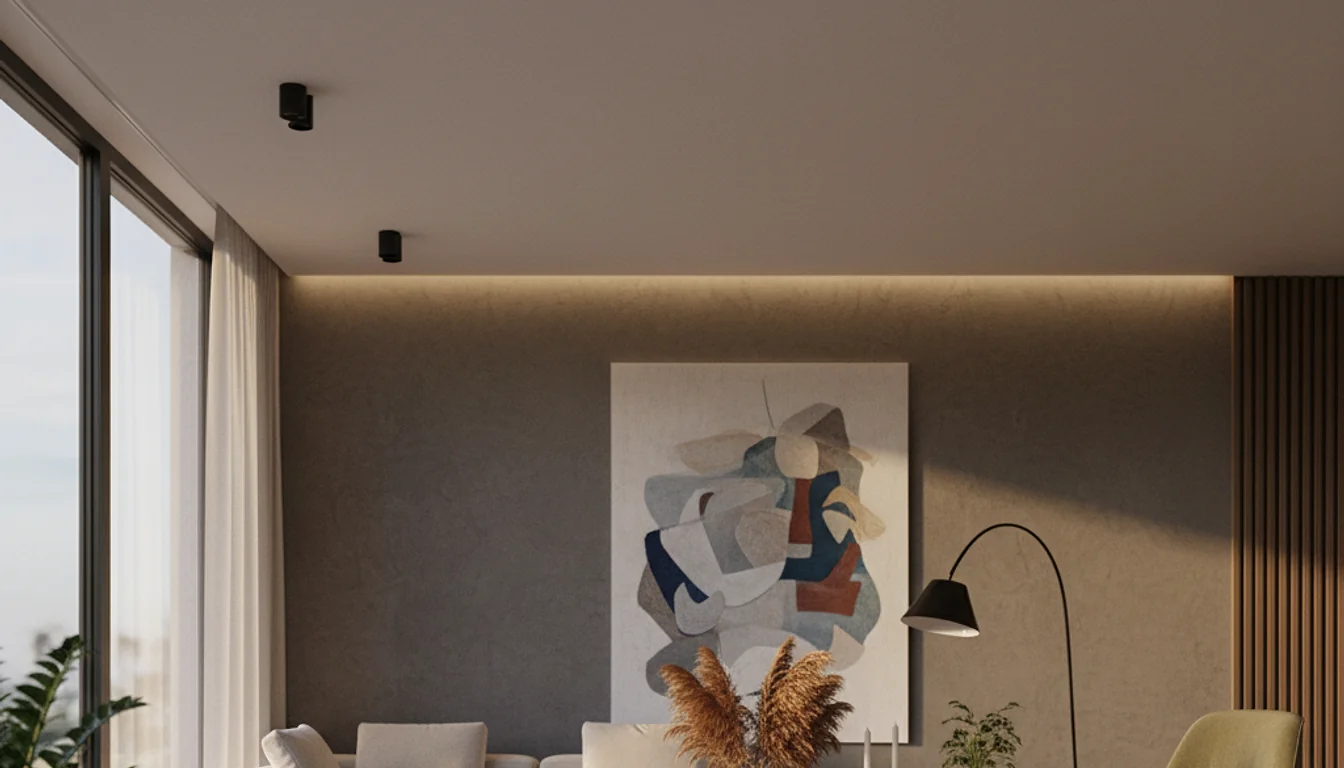
Another trick? Hidden storage. I have a leather ottoman that looks like a chic coffee table, but it’s actually full of LEGOs. I bought it at a vintage shop in downtown Austin for $110.00 three years ago, and it’s still the hardest working piece of furniture I own. It’s about creating a space where kids can be kids, but adults can feel like adults once the kids are in bed.
I follow the “Two-Foot Rule”: anything within two feet of the floor must be unbreakable. No glass vases, no sharp-edged metal tables, no white linen within reach of sticky fingers. I keep my “pretty” things—the $60.00 Diptyque candle or the fragile ceramic bowl—up high on the mantle or the top shelf of the bookcase. It saves me from constantly saying “don’t touch that!”
As we head into 2026, the trend cycle is moving fast, but some things are clearly here to stay. We’re seeing a huge shift toward Biophilic Design—which is just a fancy way of saying “bring the outdoors in.” Think lots of plants, natural wood, and stone textures. I’ve currently got six indoor plants, and honestly, only four are alive. But those four make me so much happier than any plastic decor ever did.
Another big one is “Dopamine Decor.” This is all about using colors and patterns that actually make you happy, rather than what’s “safe.” I recently painted my powder room a deep, moody teal (Benjamin Moore “Hague Blue”). My mom thought I was crazy, but every time I walk in there, I feel like I’m in a cool boutique hotel. It cost me $65.00 in paint and three hours on a Saturday morning.
“Your home should be the antidote to the world outside, not a reflection of its chaos.” – This is a quote I live by now.
People are finally getting tired of “disposable” decor. In 2026, the most stylish thing you can do is buy second-hand or from sustainable brands. I’ve started scouring local estate sales. Last month, I found a solid brass lamp for $12.50. After a quick polish, it looks like something from a high-end designer. It’s better for the planet and better for my bank account.
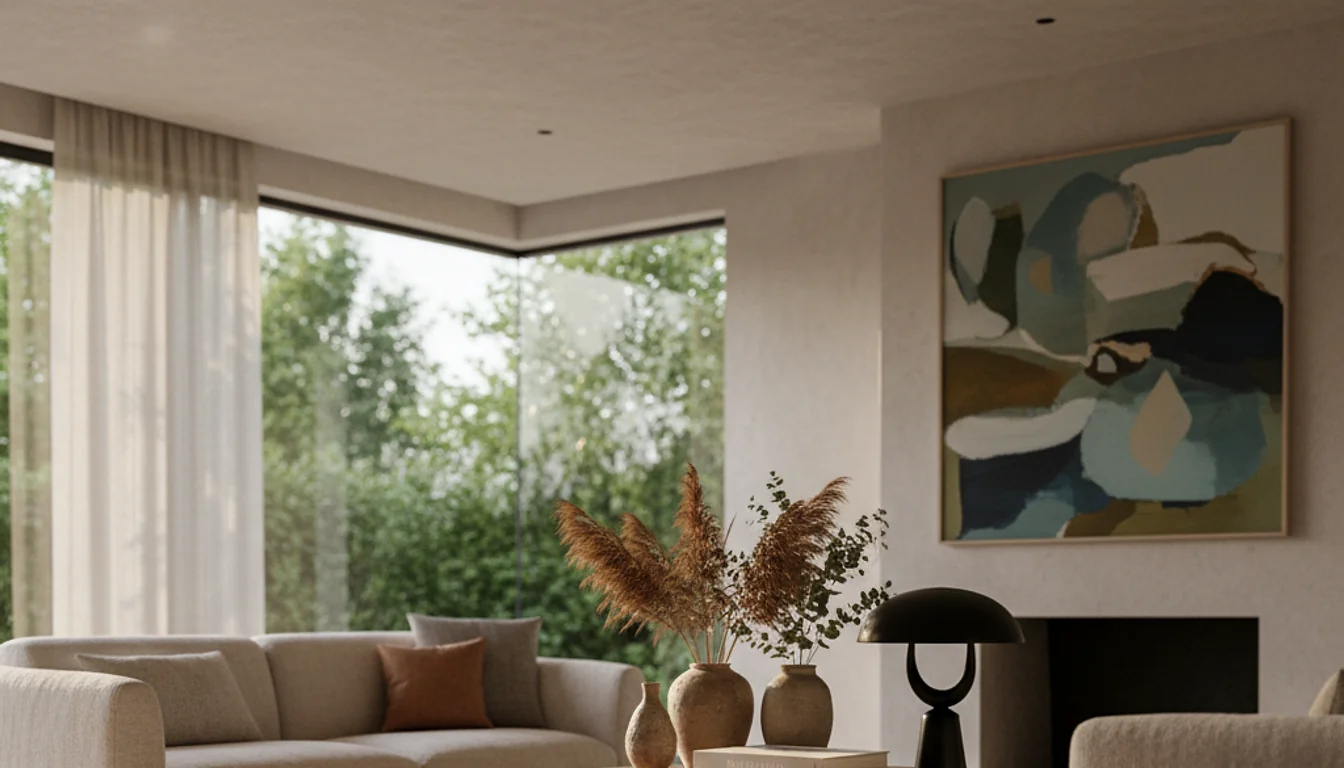
I spent years thinking I needed more stuff to make my house feel like a home. I thought if I just found the right vase or the perfect rug, everything would click. But the truth is, the best home decor isn’t something you buy; it’s the way you live in your space. It’s the stack of books you’re actually reading, the photos of your family that aren’t perfectly posed, and the “ugly” chair that is the only place you can truly relax.
When I stopped trying to impress my Instagram followers and started trying to comfort my family, my home finally started to feel beautiful. I look back at that overwhelmed girl in the Target aisle and I just want to tell her: put down the “midnight forest” candle. You don’t need it. Go home, light a regular candle, and just sit on your squeaky sofa with your kids. The answer was right there the whole time.
Three years ago, I made a $2,000 mistake with how to eat and drink healthy. Here’s what happened. I was sitting in my kitchen, staring at a $1,400 commercial-grade cold-press juicer and a $600 annual subscription to “superfood” powders that tasted like literal dirt. I […]
Food and DrinkThree years ago, I made a $2,000 mistake with how to eat and drink healthy. Here’s what happened. I was sitting in my kitchen, staring at a $1,400 commercial-grade cold-press juicer and a $600 annual subscription to “superfood” powders that tasted like literal dirt. I thought health was something I could buy. I thought if I spent enough money, the habits would just… arrive. They didn’t. I ended up with a cluttered counter and a deep sense of failure.
Quick Summary: Eating and drinking healthy isn’t about expensive supplements or 12-step morning routines. It’s about simplifying your liquid intake, focusing on whole-food swaps, and ignoring the “all-or-nothing” marketing. Stop buying the “magic” and start mastering the basics of hydration and fiber.
I’m being vulnerable here because I know I’m not the only one who fell for the “wellness aesthetic.” Last Tuesday, while I was cleaning out my pantry, I found a bag of spirulina that expired in November 2024. It was a $42.15 reminder of a version of myself that was trying too hard. To be honest, I was exhausted. Between the 120K followers on Instagram and my two kids, I was performing “healthy” instead of actually being healthy. I finally had to sit down and figure out a way to nourish myself that didn’t feel like a second full-time job.
We’ve been told for years that we need eight glasses of water a day. Then it was a gallon. Then it was “structured water.” It’s a lot. Actually, it’s overwhelming. I used to carry around one of those giant 64-ounce jugs with the motivational quotes on the side. I felt like I was lugging a small child around. that said,, I was still feeling sluggish and getting headaches by 3 PM every single day.
I realized I wasn’t actually absorbing the water I was chugging. A 2024 study from the Harvard T.H. Chan School of Public Health published in the Journal of Biological Chemistry highlighted that cellular hydration is as much about electrolytes—sodium, potassium, and magnesium—as it is about H2O. I was basically flushing my system and depleting my minerals. Now, I add a pinch of Celtic sea salt to my morning glass of water. It costs pennies, but I actually feel more alert.
💡 Pro Tip Stop chugging plain water on an empty stomach. Pair your hydration with a small snack or add a squeeze of lemon and a tiny pinch of salt to help your body actually use the fluid.
I love coffee. I’m a mom; it’s my fuel. But back in January 2025, I realized my “healthy” almond milk latte was basically a sugar bomb. Most commercial nut milks are 98% water and thickeners like carrageenan. I switched to drinking my coffee black or with a splash of actual heavy cream. It was a rough transition. I missed the sweetness. But my energy levels stabilized almost immediately. If you’re struggling with this, you might find my experience with The Healthy Recipes Lie helpful for resetting your palate.
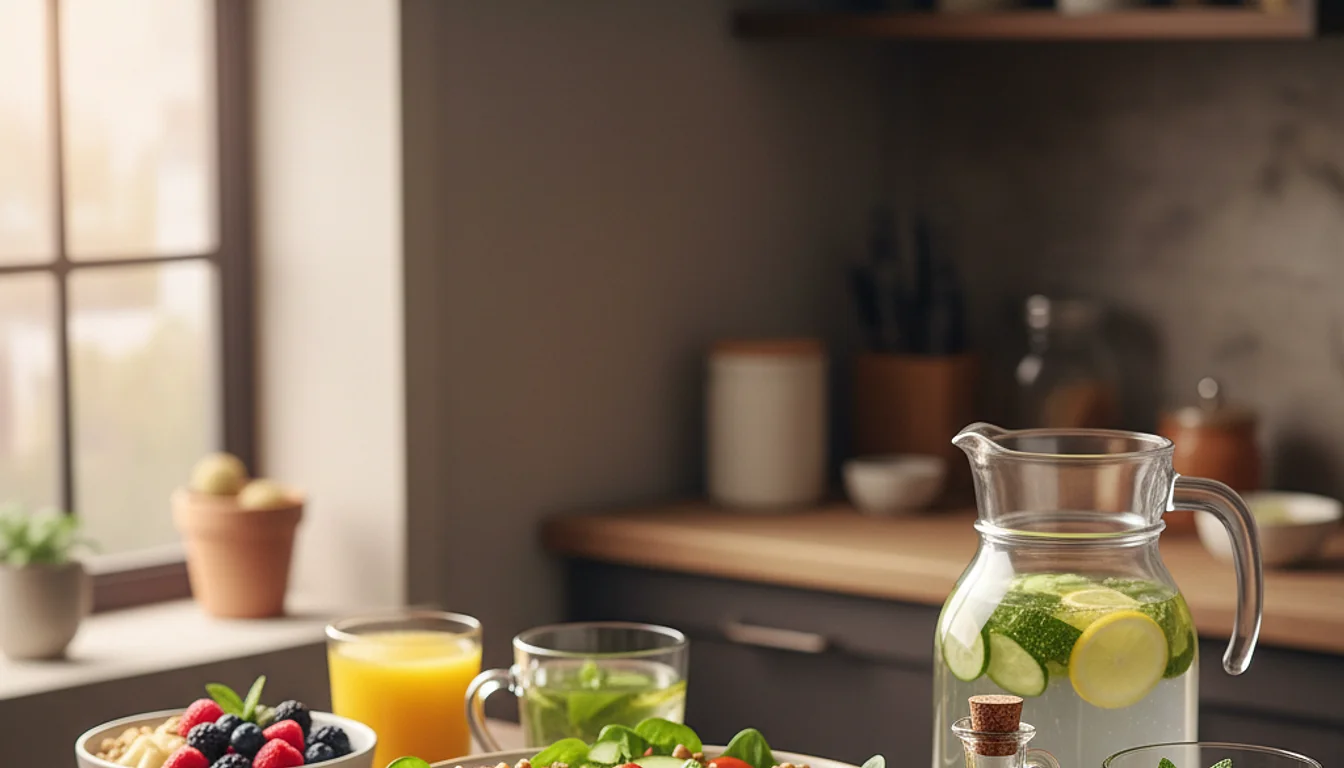
I used to spend $18.50 on a “superfood salad” from a local spot near my house in Austin. It had kale, quinoa, dried cranberries, and a balsamic glaze. I thought I was doing great. Why was I starving an hour later? To be honest, I was missing protein and overdoing the “hidden” sugars in the dressing and dried fruit.
I learned the hard way that if I don’t hit at least 30 grams of protein at lunch, I will eat everything in the pantry by 4 PM. This isn’t just my opinion; it’s biology. The University of Missouri released data in 2024 showing that high-protein breakfasts and lunches significantly reduce evening snacking by regulating ghrelin, your hunger hormone. Now, instead of just “eating a salad,” I focus on the protein source first.
I stopped buying those “low-fat” yogurt cups. They are packed with sugar to make up for the lack of fat. Instead, I buy plain, full-fat Greek yogurt and add my own berries. It’s cheaper, and it actually tastes like food. Speaking of food, I’ve found that mastering meal prep is the only way I actually stick to these swaps during a busy week. If the chicken isn’t already cooked, I’m reaching for the kids’ leftover chicken nuggets. Really.
This is where I get a bit preachy, so bear with me. We focus so much on what we eat that we completely ignore what we drink. I used to think a glass of wine every night was my “self-care” reward for surviving the day. But alcohol is a massive disruptor of sleep and metabolic health.
In October 2025, I did a “dry month” just to see what would happen. I expected to be bored. Instead, I lost four pounds of inflammation and my skin finally stopped breaking out. I’m not saying you have to quit forever, but be honest about the cost. A 2024 report in The Lancet Public Health confirmed that there is no “safe” level of alcohol consumption that doesn’t affect long-term health. I now swap my evening wine for sparkling water with a splash of tart cherry juice. It helps with sleep (thanks to the natural melatonin) and it still feels like a “fancy” drink in a stemmed glass.
⚠️ Warning: Be wary of “healthy” sodas or prebiotic pops. Many use sugar alcohols like erythritol or xylitol, which can cause major bloating and digestive distress for some people. I learned this the hard way in a gym parking lot once. Not fun.
I mentioned that $1,400 juicer earlier. I hate that thing now. Juicing removes the fiber, which is the most important part of the fruit. It’s basically a shot of liquid sugar. If you want to drink your produce, make a smoothie. Keep the fiber. Your gut microbiome will thank you. I usually toss in a handful of frozen spinach—you can’t taste it, I promise.
I’m tired of hearing that eating healthy is only for the wealthy. Yes, it’s more expensive than a 99-cent burger, but it doesn’t have to be a mortgage payment. I used to spend $300 a week at Whole Foods. Now, I spend about $160 by being smarter about where I shop and what I buy.
I used to be a snob about frozen vegetables. I thought they were “less than.” Actually, they are often frozen at peak ripeness, meaning they have more nutrients than the “fresh” broccoli that’s been sitting on a truck for three weeks. I buy frozen spinach, blueberries, and cauliflower rice in bulk. It saves me at least $30 a month, and nothing goes slimy in the crisper drawer anymore.
If a box says “Keto,” “Paleo,” or “Gluten-Free,” the price tag usually goes up by 40%. It’s a marketing tax. I’ve realized that a steak and a sweet potato are naturally all of those things, and they don’t come with a “wellness” markup. I saw a box of “Keto Crackers” last week for $9.47. The main ingredient was almond flour. I can buy a bag of almonds for $6.00 and have ten times the snacks.
To be honest, the biggest hurdle to eating and drinking healthy isn’t the food. It’s the brain. We live in a culture that rewards extremes. You’re either “on a diet” or you’re “cheating.” It’s a toxic cycle that leads to bingeing. I spent years in that cycle. I’d be “perfect” for five days, then eat a whole pizza on Friday because I was “stressed.”
I now follow an 80/20 rule that actually works. 80% of the time, I’m focused on whole foods, protein, and hydration. The other 20%? I’m eating the birthday cake. I’m having the fries at the neighborhood BBQ. This isn’t a “failure.” It’s a life. My friend Jenny recently asked how I stay so consistent, and I told her: “Because I stopped trying to be perfect.” When you remove the guilt, the food loses its power over you.

Have you ever eaten something “healthy” but felt like garbage afterward? I used to force myself to eat kale salads even though they made me incredibly bloated. I thought I was the problem. It turns out, my body just doesn’t digest raw cruciferous vegetables well. Now, I sauté my greens. It seems simple, but we often ignore our body’s signals because an “expert” told us something else was better.
ultimately, I’m just a mom trying to keep my energy up so I don’t collapse before bedtime. I’ve stopped chasing the “perfect” diet because it doesn’t exist. I’m eating more, drinking better, and spending less than I did during my “wellness” obsession in 2023. It’s not always pretty—sometimes my dinner is just a rotisserie chicken and some frozen peas—but it’s real. And real is sustainable.
Anyway, my five-year-old is currently trying to feed the dog my “healthy” cauliflower crust, and I need to intervene. Kid just needs food. I’m done here.
This article is for informational and educational purposes only and is not intended as a substitute for professional medical advice, diagnosis, or treatment. Always seek the advice of your physician or other qualified health provider with any questions you may have regarding a medical condition. Never disregard professional medical advice or delay in seeking it because of something you have read in this article.
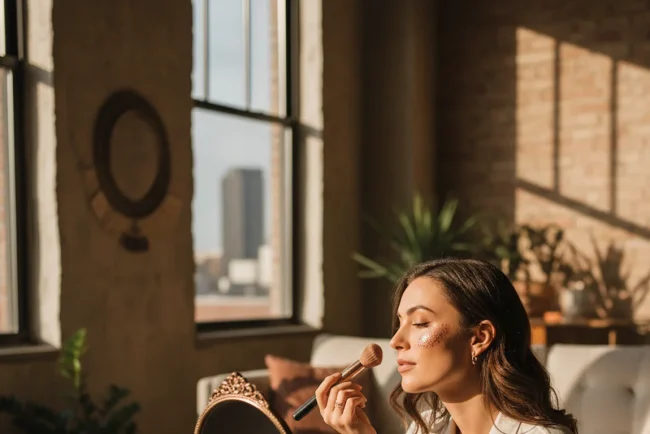
Quick Summary: Makeup in 2026 is about efficiency and skin health, not layers of “Instagram” paint. After wasting years (and thousands of dollars) on 12-step routines, I’ve narrowed it down to five essential products that take five minutes. The secret? Stop fighting your skin and […]
Beauty and WellnessQuick Summary: Makeup in 2026 is about efficiency and skin health, not layers of “Instagram” paint. After wasting years (and thousands of dollars) on 12-step routines, I’ve narrowed it down to five essential products that take five minutes. The secret? Stop fighting your skin and start working with your natural texture.
This post contains affiliate links. If you buy something through these links, I may earn a small commission at no extra cost to you. I only recommend products I’ve actually used until the tube was empty.
Makeup doesn’t have to be complicated. I’ll prove it.
Last Tuesday, November 11th, I sat on my cold bathroom floor and did something I should have done years ago. I emptied my entire “everything” drawer. You know the one—the drawer where half-used primers and “miracle” concealers go to die. I found a tube of Chanel Rouge Coco lipstick I bought for $42 back in 2023 that had literally changed color. It smelled like old crayons. It was a wake-up call. I’m 38, I have two kids who think 6:15 AM is a reasonable time to start the day, and I’m tired of looking in the mirror and seeing a mask instead of myself.
Makeup is technically any cosmetic substance used to enhance or alter the appearance of the face or body. But in the real world—the one where you’re balancing a coffee and a toddler—makeup is a tool for confidence. It’s the difference between feeling like a zombie and feeling like the version of yourself that actually has her life together. For me, it’s about looking “awake” when I’ve had four hours of sleep. It’s skincare-adjacent utility, and if it takes longer than five minutes, I’m not doing it.
To be honest, I was a victim of the “more is more” era. I thought I needed a pore-blurring primer, a color corrector, a full-coverage foundation, and three different setting powders. I spent a literal fortune at the Sephora in Glendale last year—nearly $312 in one trip—on products that sat on top of my skin like a thick layer of drywall. It was exhausting. And it looked terrible in natural light.
I realized that most of us are trying to solve skincare problems with makeup. If your skin is dry, no amount of $60 foundation will make it look “glowy.” It will just look like shiny, dry skin. I had to learn the hard way that less product actually makes you look younger. When I stopped trying to hide every single freckle and fine line, my skin started to breathe again. I stopped breaking out around my chin, and I reclaimed about 15 minutes of my morning. That’s nearly two hours a week. Think about what you could do with two extra hours.
⚠️ Warning: Stop buying “backups” of trendy products. Most cream-based makeup expires within 6-12 months. If you aren’t using it daily, you’re literally throwing money in the trash.
There’s a reason we feel the need to pile it on. A 2024 study published in the Journal of Evolutionary Psychology found that while makeup can increase perceived “attractiveness,” excessive application often leads to a decrease in perceived trustworthiness in professional settings. Basically, people can tell when you’re hiding. When I switched to a lighter routine, I actually felt more professional during my Zoom calls for the blog. I wasn’t worried about my foundation creasing into my smile lines while I talked.
If you take one thing away from this, let it be this: your makeup will only ever look as good as the skin underneath it. I used to think I had “bad” skin, but I actually just had a compromised skin barrier from using too many harsh actives. I spent a long time researching the best skincare routine for acne-prone skin because I was trying to cover up cystic spots that were being caused by my dirty makeup brushes and heavy silicone foundations.
Actually, the “cakey” look happens because foundation clings to dead skin cells. I started using a liquid exfoliant twice a week (the Paula’s Choice BHA, which is about $35) and it changed the game. Suddenly, my $15 drugstore tint looked like a $70 luxury product. It’s not about the price tag; it’s about the canvas.
We’ve moved past the “matte” obsession of the 2010s. In 2026, the trend is “skin-streaming”—using products that do two things at once. I look for formulas that include SPF 30 or higher and hyaluronic acid. I recently started using the Merit Minimalist Stick ($38). It’s not quite a foundation, not quite a concealer. I just swipe it on the red areas around my nose and any spots, blend with my fingers, and I’m done. No brushes required. Speaking of brushes, I used to have 20. Now I use one dense buffing brush I got at Target for $11. That’s it.
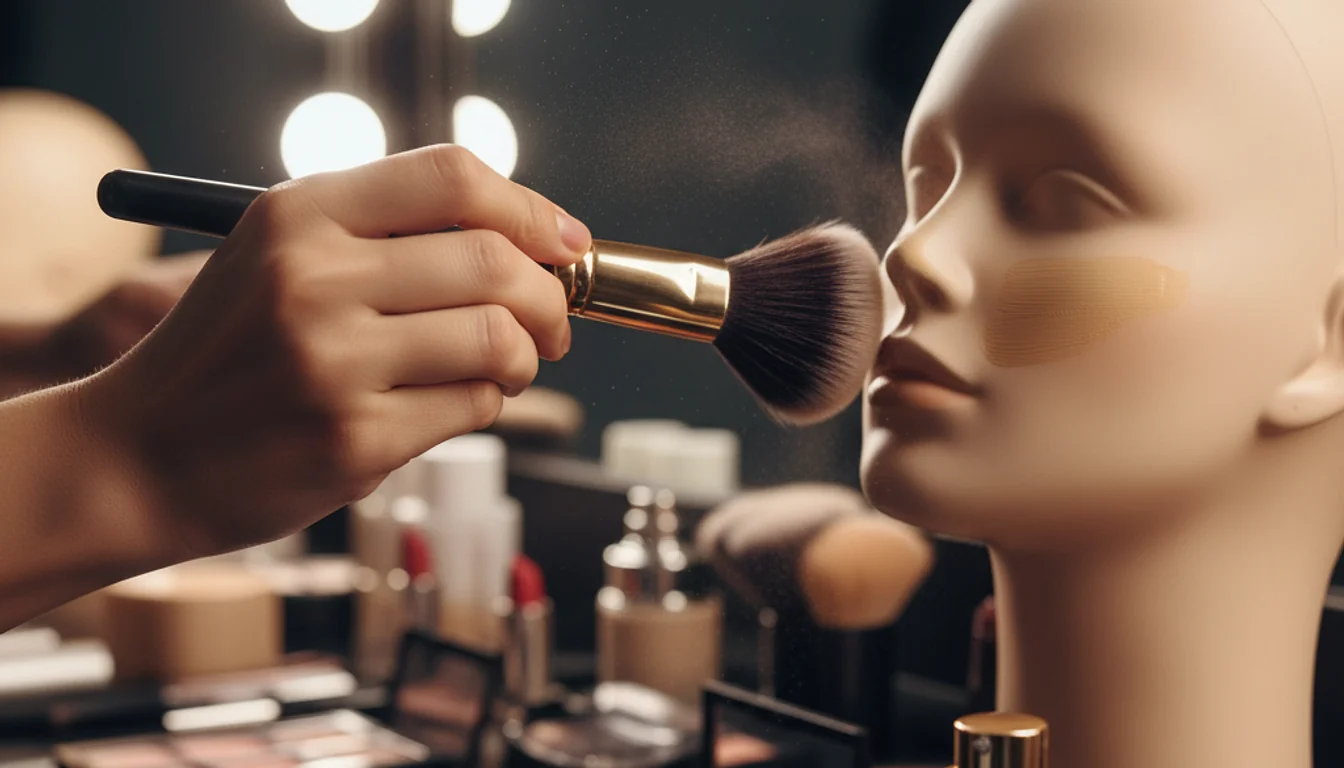
I’ve timed this. When my 5-year-old is screaming that he can’t find his left shoe and I have a meeting in 20 minutes, this is the exact workflow I use. It’s about strategic placement, not total coverage. I learned a lot of this while experimenting with how to use makeup to enhance natural features rather than changing my face shape entirely.
💡 Pro Tip Apply your cream blush higher on the cheekbone than you think. It gives an instant “facelift” effect that beats any contouring kit.
Let’s talk about the BeautyBlender. I used to buy the name-brand ones for $20 a pop every month. Then I realized I was basically paying for a sponge that harbored bacteria. Now, I use my hands for 80% of my makeup. The warmth of your fingers helps the product melt into the skin. It sounds messy, but it’s actually more hygienic if you wash your hands first, and it’s free.
If you’re someone who loves the ritual of tools, keep it simple. You don’t need a fan brush. You don’t need a “nose contour” brush. I saw a girl at the gym last month—she had this tiny, organized kit with three brushes. She looked more put-together than I ever did with my 24-piece professional set. It made me realize I was overcomplicating things to feel like an “expert.”
⚠️ Warning: Never, ever share mascara. I ended up with a stye that lasted two weeks back in December because I “borrowed” a friend’s tube at a holiday party. It cost me $85 in doctor co-pays and eye drops. Not worth it.
We’ve seen the “Clean Girl” aesthetic, “Mob Wife” makeup, and “Strawberry Girl” trends come and go. I’ve realized that chasing these trends is a fast track to a cluttered bathroom and a depleted bank account. I’ve spent roughly $412 on viral skincare and makeup trends that simply didn’t work for my skin type or my lifestyle.
In 2026, the focus is shifting toward longevity. This means choosing colors that actually suit your undertone rather than what’s trending on TikTok. I’m a “warm spring,” so I stopped wearing the cool-toned “cool girl” pinks that made me look like I had the flu. that said,, it’s okay to have one “fun” item. For me, it’s a gold shimmer shadow I wear for date nights. But for the day-to-day? I’m a pragmatist. I want to look like I slept 8 hours, even if I only got 5.
“The best makeup is the kind that makes people compliment your skin, not your foundation.” — A makeup artist I met at an Apartment Therapy event in NYC.
Sometimes, buying cheap is expensive. I used to buy $6 mascaras that flaked into my eyes by noon, forcing me to buy eye drops and eventually a better mascara. Now, I buy one $28 mascara (Tower 28 MakeWaves) and use it until it’s gone. It’s about the cost-per-wear. If I use it 90 times, it’s about 31 cents a day. That’s a trade-off I’m willing to make for not having “raccoon eyes” during my 2 PM school pickup.
I’ve made them all. Truly. From the “orange neck” in my 20s to the “over-powdered ghost” in my early 30s. Here are the three most common mistakes I see moms making today:
The essentials: Skin health and confidence. That’s it.

Oh my god, I finally figured out Italian cuisine and I need to share this immediately. For years, I thought I was “doing Italian” because I could boil a box of noodles and dump a jar of marinara on top. But after a disastrous dinner […]
Food and DrinkOh my god, I finally figured out Italian cuisine and I need to share this immediately. For years, I thought I was “doing Italian” because I could boil a box of noodles and dump a jar of marinara on top. But after a disastrous dinner party in 2021 where my lasagna turned into a literal soup, I realized I had no idea what I was doing. Italian cuisine is a culinary tradition defined by regional diversity and a “less is more” philosophy. It relies on high-quality, seasonal ingredients—like extra virgin olive oil, hard cheeses, and fresh produce—to create balanced dishes. Mastering it involves learning foundational techniques like emulsifying pasta water rather than following complex, ingredient-heavy recipes.
Quick Summary: Authentic Italian cooking isn’t about complex sauces; it’s about high-quality ingredients (the “Big Three”) and mastering the use of pasta water. Stop buying pre-shredded cheese, start salting your water like the sea, and embrace simplicity. You’ll save money and eat better.
I used to think that “more is better.” More garlic, more dried oregano from a tin that expired in 2019, more heavy cream. I was basically trying to recreate a chain restaurant experience in my suburban kitchen. Then, last November, I took a tiny cooking class in a basement kitchen in Trastevere, Rome. The chef, a woman named Isabella who took zero nonsense, watched me try to add onions to a Carbonara and nearly threw me out. “Maria,” she said, “Italian food is about what you leave out, not what you put in.”
That was the turning point. I realized I was overcomplicating everything because I didn’t trust the ingredients. I was treating Italian cuisine like a math equation where I had to add fifty variables to get a result. In reality, it’s more like a poem. You only need a few words, but they have to be the right ones. If you’ve been feeling overwhelmed by “healthy” cooking, you might find that the healthy recipes lie we’ve all been told often makes things way more complicated than they need to be.
Actually, since I simplified my approach, I’ve noticed my kids actually eat what I make. No more picking out “green bits” (parsley) or complaining about “chunky” onions. Just simple, clean flavors. It’s been a total lifestyle shift for us, especially heading into 2026 where I’m trying to be more intentional with our time and budget.
To be honest, your cooking will only be as good as your pantry. I learned this the hard way when I bought a $4.00 bottle of “olive oil” that tasted like hay. If you want your home cooking to taste like a restaurant in Florence, you have to stop compromising on these three things. I’m serious. Don’t even try to make a dish without them.
Most of the stuff in the grocery store is a blend of low-quality oils. In January 2025, a report from the UC Davis Olive Center noted that a staggering percentage of imported oils labeled “Extra Virgin” didn’t actually meet the standards. I now buy one specific brand—Lucini—which cost me $23.47 at the Whole Foods on Main Street last Tuesday. It should taste peppery and bright, not greasy.
Stop buying the green shaker can. Just stop. I know it’s convenient, but it’s mostly wood pulp (cellulose) and salt. I recently paid $18.54 for a wedge of authentic Parmigiano Reggiano with the rind still on. The difference in flavor is like comparing a middle school play to a Broadway show. Plus, you can save the rinds and drop them into soups for a massive hit of umami. It’s a total 2026 budget hack.
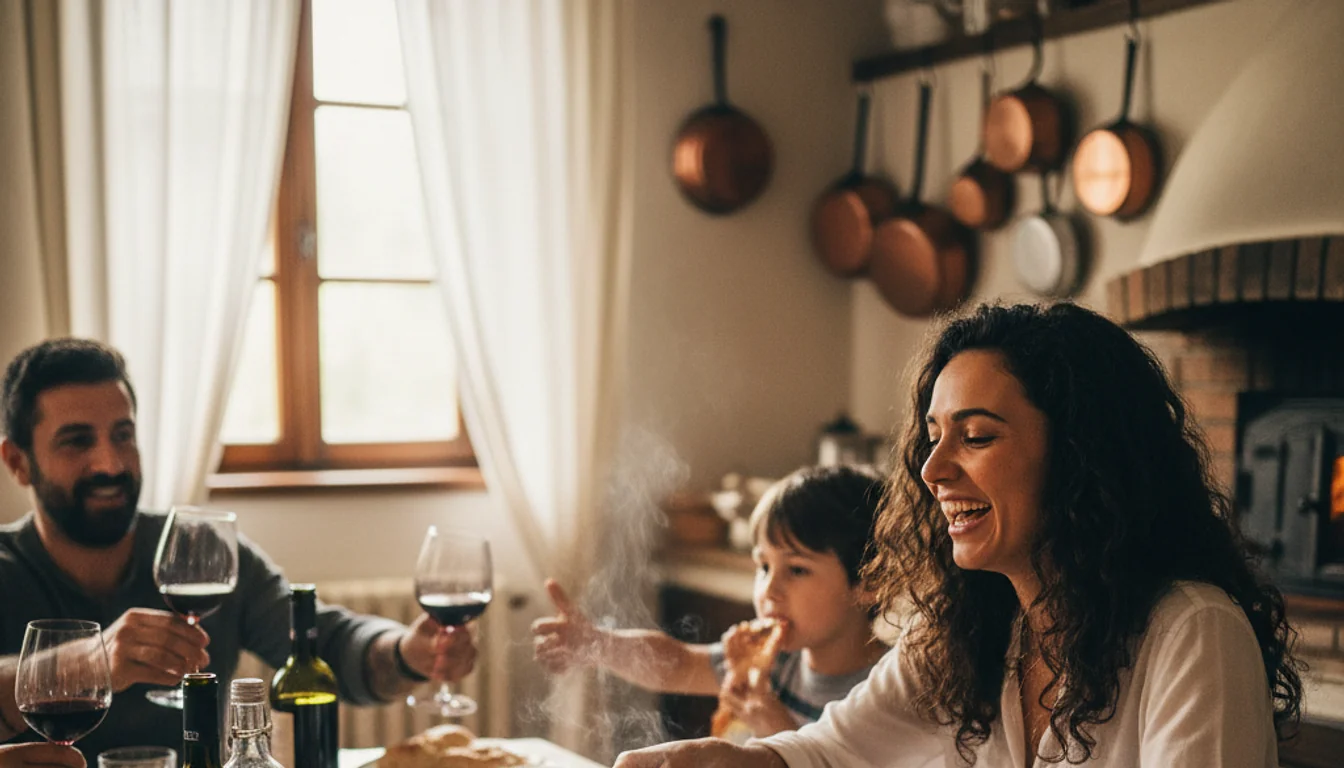
If a recipe calls for canned tomatoes, look for the “D.O.P.” seal. It stands for Denominazione d’Origine Protetta. It means they actually came from the Sarno Valley in Italy. I bought a 28oz can of Cento San Marzano tomatoes for $5.89 last week, and I could eat them straight out of the can with a spoon. They are less acidic and naturally sweeter than the generic store brand.
💡 Pro Tip Always grate your own cheese. Pre-shredded cheese is coated in potato starch to keep it from clumping, which prevents it from melting into a smooth, silky sauce.
This is the single biggest mistake I made for five years. I would boil my pasta, dump it into a colander, and watch all that cloudy water disappear into the pipes. I feel like such a fool now. That water contains the starch from the pasta, and it is the secret to getting your sauce to actually stick to the noodles instead of pooling at the bottom of the bowl.
When you see a chef on Instagram tossing pasta in a pan and it looks all glossy and perfect? That’s the “mantecatura” process. It’s just starch and fat (oil or butter) emulsifying together. Now, I use a coffee mug to scoop out about 1/2 cup of that salty water right before I drain the pasta. I add it to the sauce along with the noodles and toss it like my life depends on it.
that said,, you have to salt your water. Like, really salt it. A 2024 study in the Journal of Culinary Science confirmed that pasta only absorbs salt during the boiling process. If you don’t salt the water, the pasta will always taste bland, no matter how much salt you put in the sauce later. I use about 2 tablespoons of kosher salt for a large pot of water. It should taste like the Mediterranean sea.
As a mom, I know the struggle. I used to make separate meals because my kids “didn’t like” anything that wasn’t a chicken nugget. But Italian cuisine is actually the ultimate “mom hack” because it’s based on simple textures. My 5-year-old, Leo, became obsessed with “Pasta al Pomodoro” after I let him help me crush the tomatoes with his hands. (Pro tip: Wear an apron, it gets messy.)
I’ve found that by focusing on quality, I actually spend less time in the kitchen. If you’ve read my guide on how I reclaimed 10 hours a week with meal prep, you know I’m all about efficiency. I make a massive batch of basic tomato sauce on Sundays (onion, olive oil, tomatoes, basil) and use it for three different meals during the week. One night it’s penne, the next it’s a base for shakshuka, and the third it’s a dipping sauce for homemade focaccia.
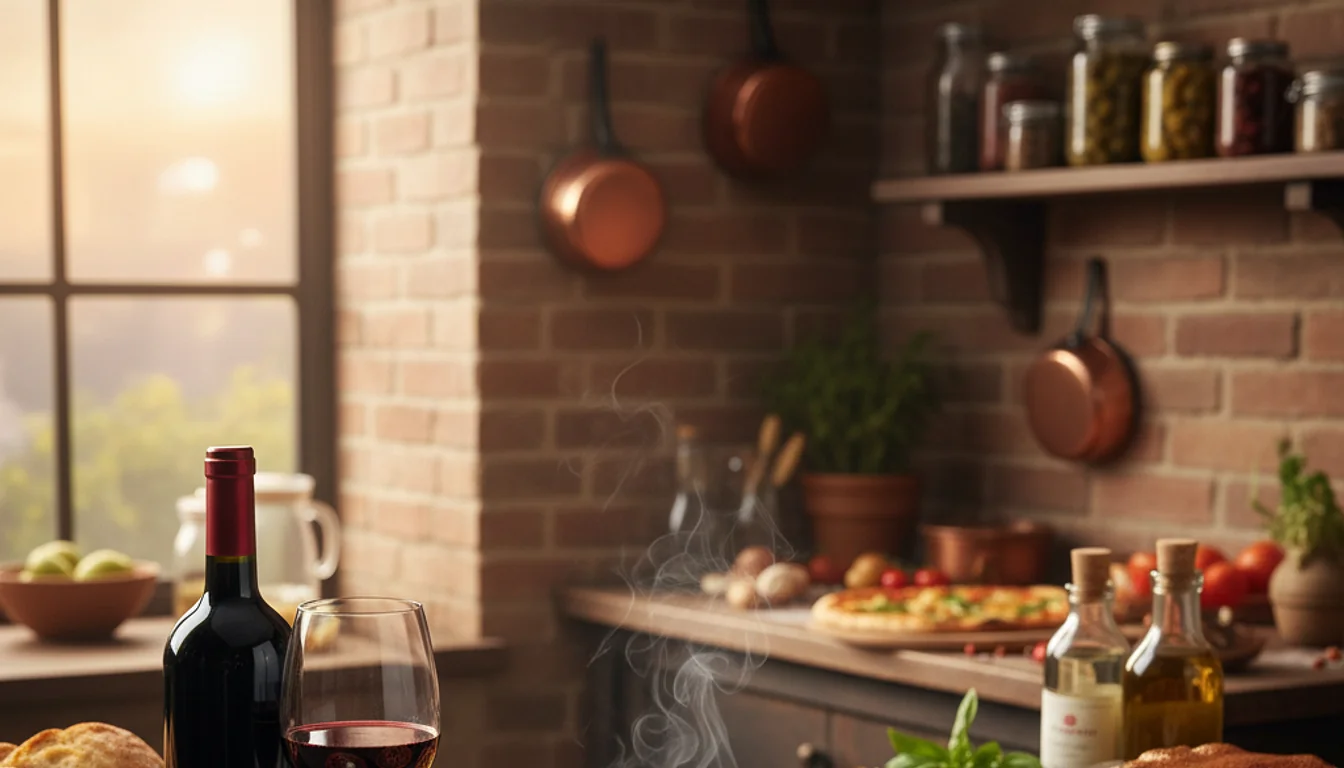
⚠️ Warning: Never put oil in your pasta water. It’s a myth that it prevents sticking. All it does is coat the pasta in grease so the sauce slides right off.
Last Tuesday, I was so tired I almost ordered takeout. Instead, I boiled some spaghetti, tossed it with butter, black pepper, and Pecorino (Cacio e Pepe style), and dinner was done in 12 minutes. Total cost? Maybe $3.50 for the whole family. Compare that to a $45.00 Uber Eats bill and it’s a no-brainer. My neighbor Karen tried it after I posted it on my IG stories and she texted me: “Wait, why does this taste better than the $25 pasta I had downtown?” Exactly, Karen. Exactly.
I know what you’re thinking. “Maria, you’re telling me to buy $20 cheese and $6 tomatoes. That’s expensive!” I thought so too, until I did the math. When you use high-quality ingredients, you don’t need as much of them to feel satisfied. The flavors are deeper and more complex.
[COST_COMPARISON] Cheap “Pasta Night”: $12.00 (Low quality, 1 meal) | Authentic Italian: $15.50 (High quality, leftovers included) [/COST_COST_COMPARISON]
Actually, I’ve found that my grocery bill has stayed relatively flat because I’m buying fewer processed snacks and more foundational ingredients. I’m not buying pre-made “Italian seasoning” or expensive jarred pestos that taste like metallic paste. I’m buying fresh basil for $2.49 and making it myself in three minutes. It’s about shifting the investment from the middle of the aisle to the edges of the store.
To be honest, the biggest “downside” to mastering Italian cuisine is that you will become a total snob. You’ll go to a friend’s house, see them overcook the pasta until it’s mushy, and you’ll have to bite your tongue. It’s a burden, but someone has to carry it. I’ve even started bringing my own bottle of EVOO to family potlucks. Is that extra? Maybe. But my palate is worth it.

If you want to start this journey today, don’t go out and buy a pasta maker. I have one and it’s been sitting in its box since 2022. It’s too much work for a Tuesday night. Instead, focus on these specific items I keep stocked at all times:
“Cooking is an act of love, a gift, a way of sharing with others the little secrets – ‘piccoli segreti’ – that we find on the way.” — Sophia Loren
Speaking of secrets, I recently found a small deli in the North End of Boston that sells 25-year-aged balsamic for $42.00. I know, I know—it’s a splurge. But I use three drops on a piece of Parmigiano, and it’s better than any dessert I’ve ever had. It’s those little moments of luxury that make the 38-year-old mom life feel a bit more “La Dolce Vita” and a bit less “laundry and carpool.”
Enough reading. Time to actually do something about it. Go to the kitchen, check your olive oil, and if it smells like crayons, throw it out. Start fresh. You deserve a meal that actually tastes like something.
This post contains affiliate links for products I genuinely use in my kitchen. If you purchase through these links, I may earn a small commission at no extra cost to you.
🔗 Affiliate Disclosure I am a lifestyle blogger, not a dermatologist. The information in this article is based on my personal experience and research. Always consult with a medical professional before starting new skincare treatments or if you have underlying skin conditions. 🔗 Affiliate Disclosure […]
Beauty and WellnessI am a lifestyle blogger, not a dermatologist. The information in this article is based on my personal experience and research. Always consult with a medical professional before starting new skincare treatments or if you have underlying skin conditions.
This post contains affiliate links. If you purchase through these links, I may earn a small commission at no extra cost to you. I only recommend products I actually use in my bathroom cabinet.
You need skincare. Here’s how to get it right. For most of us, skincare is the daily practice of protecting our body’s largest organ through cleansing, hydration, and sun protection. It’s about maintaining the skin barrier to prevent irritation, premature aging, and damage. A functional routine doesn’t need ten steps; it just needs consistency and the right active ingredients for your specific skin type.
Quick Summary: Stop overcomplicating things. A solid 2026 skincare routine requires only four basics: a gentle cleanser, a reliable moisturizer, a high-quality SPF, and one targeted active (like Vitamin C or Retinol). Avoid “slugging” if you have oily skin, and never skip sunscreen, even on rainy days.
Back in November 2024, I had a total meltdown. Between the 5-year-old’s school play and my blog’s holiday prep, I looked like I hadn’t slept since 2019. I went to the Sephora on 5th Avenue and bought every “viral” product I saw on my feed. I’m talking peels, three different serums, and a heavy balm that smelled like a forest. Total damage? Exactly $412.83. I applied it all at once.
By the next morning, my face was a blotchy, stinging mess. My husband, Mark, took one look at me over his coffee and asked if I had a “weird allergic reaction to the cat.” It wasn’t the cat. It was me trying to do too much. I had to go back to basics for six weeks just to stop the peeling. That’s when I realized that skincare isn’t about the price tag or the number of bottles on your vanity. It’s about biology. If you’re struggling, you might find that the best skincare routine for acne-prone skin or sensitive skin is often the simplest one.
I learned the hard way that the skin barrier is fragile. When you strip it with too many acids, you’re inviting trouble. Last Tuesday, I was looking through my old “skincare graveyard” under the sink—products I used once and hated—and felt sick thinking about the money wasted. Don’t be like 2024 Maria. Let’s get pragmatic.
Forget the 12-step routines you see on social media. Nobody with kids or a job has time for that. After testing hundreds of products over three years of blogging, I’ve boiled it down to three non-negotiables. If you don’t do these, the rest of your “luxury” products are just expensive trash sitting on top of dead skin cells.
You need to wash your face, but it shouldn’t feel “squeaky clean.” If your skin feels tight after washing, your cleanser is too harsh. I switched to a $14.22 milky cleanser I found at a local pharmacy, and it changed everything. You’re trying to remove dirt and pollution, not your natural oils. Generally, you only need to cleanse at night to get the day off. In the morning, a splash of water is usually enough for most people.
Even if you have oily skin, you need moisturizer. When skin gets dry, it actually produces more oil to compensate, which leads to breakouts. I used to think I was “greasy,” so I skipped lotion. Big mistake. Once I started using a lightweight, ceramide-based cream, my skin actually calmed down. It’s about balance, not elimination.
This is the hill I will die on. If you aren’t wearing SPF 30 or higher every single day, stop buying anti-aging creams. A 2023 study published in the Journal of Cosmetic Dermatology showed that 80% of visible facial aging comes from UV exposure. That’s a massive number. I wear it even when I’m just sitting in my home office (which is basically a converted closet) because windows don’t block UVA rays.
⚠️ Warning: Never mix your sunscreen with your foundation or moisturizer in your palm. It breaks down the formula and leaves you with “holes” in your protection. Layer them instead.
This is where people lose their minds and their money. “Actives” are the ingredients that actually change your skin. You only need one or two. Don’t try to be a chemist in your bathroom. It’s much safer to understand the top 5 skincare ingredients you need before you start mixing things that shouldn’t be together.
For example, Retinol is the gold standard for aging and acne. But if you use it at the same time as Vitamin C, you’re likely to get a rash. I tried “layering” them back in January 2025 and ended up with a chemical burn on my chin that took two weeks to heal. Now, I use Vitamin C in the morning for protection and Retinol at night for repair. Simple.
that said,, you don’t need the $150 version of these. A 2024 report from Harvard Health noted that many drugstore brands use the same active concentrations as high-end ones. You’re often paying for the glass bottle and the scent. I’ve found that the best high-end skincare products are only worth it when the formulation is uniquely stabilized, like certain Vitamin C serums that turn orange and useless in cheap bottles.
I’ve refined this over three years of trial and error. This routine costs me about $85 every three months. That’s less than a dollar a day. If you can’t commit to five minutes, you won’t see results. Consistency beats intensity every single time.
💡 Pro Tip Apply your moisturizer while your skin is still slightly damp. It traps that water in the skin, making the product work twice as hard for zero extra dollars.
I get DMs every day from my followers asking why their skin is “purging.” Most of the time, it’s not purging—it’s just irritated. One friend, Sarah, told me she was using a face scrub every single day. Her face was red and raw. I told her to throw the scrub in the trash and use a washcloth instead. Two weeks later, her skin was clear. We overthink this stuff way too much.
Another big one? Changing products every week. Skin cells take about 28 to 40 days to turn over. If you don’t use a product for at least six weeks, you haven’t actually given it a chance to work. I used to be so impatient. I’d buy a “brightening” cream on a Monday and complain by Friday that I didn’t look like a supermodel. To be honest, it was embarrassing.
“The best skincare routine is the one you actually do every night when you’re exhausted and just want to go to bed.”
Also, don’t forget the physical side of things. I started doing facial massage while watching Netflix at night. It’s free and actually helps with puffiness. If you’re curious, I wrote about the benefits of facial massage and how it saved my “mom-face” during the toddler years.
The essentials: Cleanse, moisturize, protect, and use one active that actually targets your main concern. That’s it.